
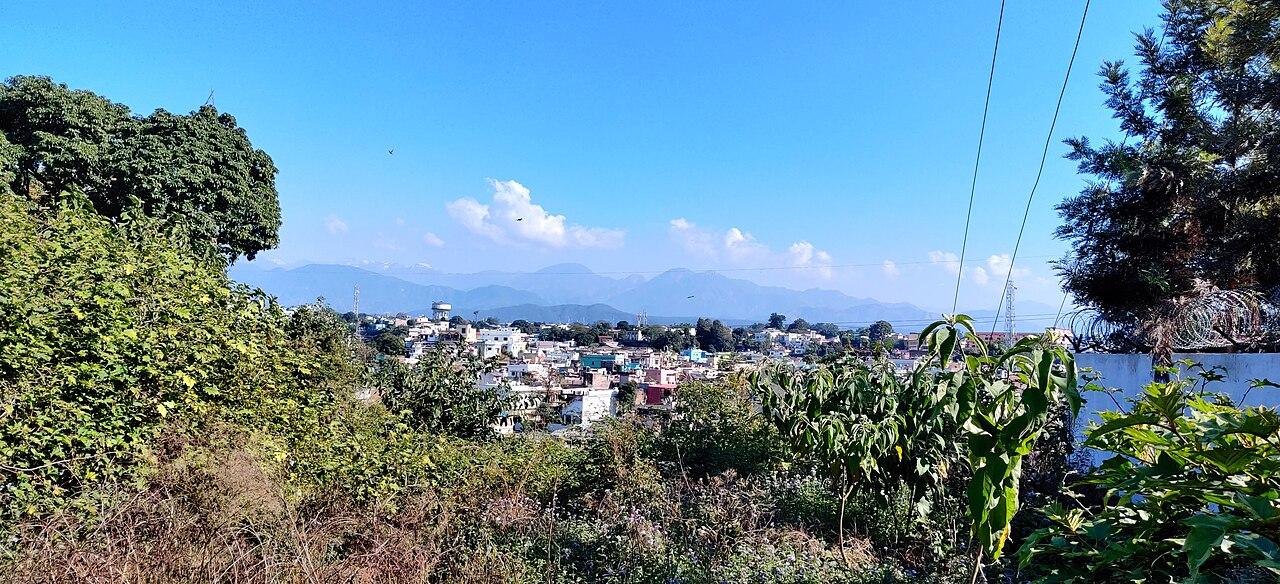
Dehradun has undergone a remarkable transformation over the last decade. Once primarily known as a gateway to the hills and a retirement city, it now attracts IT professionals, remote workers, young families seeking quality of life outside major metros, and investors drawn by its infrastructure upgrades and tourism economy. For property owners looking to sell in Dehradun, the market is active — but maximising your returns means understanding local demand patterns, preparing your paperwork correctly and finding a way to reach serious buyers without surrendering 1%–2% of your sale value to brokers before the deal even closes.
Who Is Buying Property in Dehradun in 2026?
Understanding your buyer helps you price correctly and target your listing effectively. Dehradun in 2026 attracts several distinct buyer categories:
- Metro migrants: Professionals from Delhi, Noida and Gurgaon buying a primary home or upgrading from a small apartment to a larger house or plot for the same money.
- Remote workers: Employees working from home who prioritise air quality, space and connectivity over being near an office.
- Second-home buyers: Upper-middle-class families from Meerut, Saharanpur and West UP buying a weekend or retirement home.
- Investors: Buyers looking at Dehradun's appreciation potential and rental yields, particularly near Rajpur Road, the ISBT area, and the Sahastradhara Road corridor.
- Students and their families: Dehradun's concentration of boarding schools, universities and coaching institutes creates consistent demand near Rajpur Road, Clock Tower and the DL Road area.
Knowing which segment your property targets helps you set realistic expectations for timeline, price negotiation and the type of buyer questions you will receive. A plot near the railway station attracts a different buyer than a villa in Dalanwala or an apartment in Sahastradhara Road.
Key Areas and What They Mean for Sellers
Dehradun's property micro-markets differ in price, buyer profile and liquidity. Rajpur Road is arguably the city's most prestigious residential corridor — prices are high, buyers are typically established and deals take time but yield strong results. Sahastradhara Road is growing fast, with newer apartments and plotted developments attracting younger buyers. The GMS Road and Haridwar Road stretches are more affordable and attract a broad range of buyers including government employees and first-time homebuyers.
If your property is in Mussoorie diversion road, Jakhan or Panditwari — areas that have seen significant apartment development — competition from new builder projects affects resale liquidity. In these zones, your property needs to be clearly priced below or comparable to new construction to attract buyers quickly. If your property offers something new construction cannot — a large independent garden, a mature tree line, an established layout — highlight that specifically.
Note that Uttarakhand has specific land purchase restrictions for non-residents (non-Uttarakhand permanent residents) for agricultural land — agricultural to residential conversion paperwork is particularly important for plot sellers to have in order. Buyers and their lawyers will scrutinise land-use status closely.
Documents: What Dehradun Property Sellers Must Prepare
Dehradun's property documentation ecosystem has some state-specific elements because Uttarakhand is a relatively newer state (carved out of Uttar Pradesh in 2000) and some older records are inherited from UP-era systems. Allow extra time to track down older documents.
- Sale deed and title chain: All registered sale deeds from original allotment or first purchase through to your current ownership. For properties carved out of UP-era records, some documents may be in older formats — verify their legal acceptability with a lawyer.
- Encumbrance certificate: Available from the Sub-Registrar's office. In Uttarakhand, the property registration portal provides online access to some registration records; confirm the current state of online services.
- Khatauni and Khasra (for plots): Revenue records showing your name in the land register and the land-use classification. Crucially, verify that the land has been converted from agricultural to residential (Awasiya Prayog) if it was originally agricultural — this is a common gap in Dehradun property documentation.
- Property tax receipts: From Mussoorie Dehradun Development Authority (MDDA) or the relevant municipal authority, showing all dues paid.
- Building plan approval and completion certificate: Required for any constructed property; MDDA or the relevant authority should have records.
- NOC from MDDA or development authority: For certain types of properties or transfers, prior approval from MDDA may be needed. Check this with a local property lawyer specific to your property type.
- Society or colony NOC: For gated communities and apartment complexes.
Given Dehradun's specific land regulations and the UP-to-Uttarakhand transition in records, consulting a local property lawyer early is especially advisable before you market the property to buyers.
Pricing to Attract Buyers Without a Broker
Setting the right price is the single most effective thing you can do to sell faster. Sellers in Dehradun often overprice because of sentimental attachment or because they benchmark against aspirational listing prices on portals — not what properties actually sold for. The gap between listing price and transaction price in Dehradun can be significant, especially for independent houses and plots.
Use registered transaction data as your primary reference. Dehradun Sub-Registrar records can show what comparable properties traded for in your area over the last twelve months. Adjust for differences in size, age, condition, legal status and proximity to amenities. Then set a price that is realistic for the market — not the price you wish you could get.
Buyers in Dehradun are increasingly well-informed. Many have done research online and have a good sense of comparable values before they visit. If your property is genuinely priced at market value, serious buyers will make offers quickly. If it is overpriced, you will get visits from people gathering information — not offers.
Sell Without Paying Brokerage Until Your Deal Closes
One of the most common frustrations for property sellers in Dehradun is paying brokerage to someone who did not ultimately deliver a completed sale. Traditional brokers ask for their commission at the time of agreement or even earlier — before the deal is actually registered. If a buyer backs out due to financing or a legal issue surfaces, the seller has already paid a cost with nothing to show for it.
BookPropertyVisit operates on a pay-after-conversion model: as a seller, you pay nothing until your property is sold. There are no listing fees, no advance commissions and no cost if the deal does not close. For selling property in Dehradun, the platform brings you verified buyers who have been screened for genuine interest, and accompanies them on site visits — which means you are not hosting strangers alone and not wasting Sundays on casual window-shoppers.
Take the first step and list your property for free. There is no financial risk in doing so. If you want to understand the full process before committing, read through how selling works on BookPropertyVisit for a clear, transparent overview.
Capital Gains and Tax When Selling Property in Dehradun
The tax rules for property sales are the same across India, and Dehradun sellers must account for them carefully — particularly given that many Dehradun properties have appreciated substantially over the past decade, leading to meaningful capital gains.
- Long-term versus short-term classification: Any property held for more than 24 months is a long-term capital asset. The gain on sale is taxed as LTCG. If held 24 months or less, it is STCG and taxed as regular income at your applicable slab rate.
- TDS at 1% under Section 194-IA: For property transactions of ₹50 lakh or more, the buyer is legally required to deduct 1% TDS before making payment to you. The buyer must file Form 26QB and issue you Form 16B. Follow up to ensure this is done — it affects your tax return.
- LTCG rates and indexation: The indexation benefit for calculating LTCG on property was revised in the 2024 Budget. As of 2026, sellers may have a choice between the indexed-cost approach and a flat rate, depending on when the property was acquired. A chartered accountant will help you work out which method gives a lower tax outgo for your specific purchase and sale dates.
- Reinvestment exemptions under Section 54: If you sell a residential property and use the gains to purchase another residential property within the specified time — one year before or two years after the sale (or three years for construction) — you can claim LTCG exemption. There is a cap on the value eligible for exemption; confirm the current limit with a CA.
- Section 54EC bonds: An alternative to reinvestment in property — you invest gains in notified bonds (such as those issued by NHAI or REC) within six months of the sale to claim exemption, subject to an annual investment cap.
- NRI sellers: If the seller is an NRI, TDS applies at LTCG rates — approximately 12.5% to 20% plus surcharge and cess — not just 1%. This can be a large sum. NRI sellers should apply for a lower-deduction certificate (Form 13) from their jurisdictional Income Tax Officer well before the sale closes. Repatriation of sale proceeds abroad requires additional compliance including a Chartered Accountant certificate in Form 15CB and an RBI-compliance Form 15CA.
Does Uttarakhand have any special rules about who can buy property in Dehradun?
Yes. Uttarakhand imposes restrictions on purchase of agricultural land by persons who are not permanent residents of the state. For agricultural land, non-residents generally cannot purchase directly. However, residential and commercial land that has been converted to non-agricultural use (Awasiya or Vyavasayik Prayog) does not carry this restriction for buyers. As a seller, you must ensure your land-use conversion is complete and documented — an agricultural plot sold to a buyer who discovers post-purchase that conversion was not done faces serious legal complications. Verify land-use status with MDDA and confirm it in the sale agreement.
How do I ensure the buyer does not back out after I have stopped showing the property to others?
Once you accept an offer, protect yourself by signing a legally binding sale agreement (also called an agreement to sell or byana) with the buyer. Insist on a meaningful advance — typically 5% to 10% of the agreed price — to be paid at the time of signing the agreement. The agreement should specify that if the buyer withdraws without a valid contractual reason, the advance is forfeited. If you withdraw, you typically must return double the advance. This two-way commitment keeps both parties serious. Avoid informal or handshake deals; put everything in writing with specific dates and amounts.
What if my Dehradun property has a small portion of disputed boundary with a neighbour?
Boundary disputes are a deal-breaker for most buyers and all home-loan banks. If there is any unresolved boundary dispute, you should address it before listing the property for sale — either through an amicable written settlement with the neighbour (registered if possible) or through a formal legal process. Attempting to sell a property with a known, unresolved boundary dispute without disclosing it exposes you to legal liability. Disclose any known disputes in the sale agreement and resolve them beforehand for a smooth sale.
Can I sell my Dehradun property while I am living in another city or abroad?
Yes. You can sell the property remotely by authorising someone you trust — a family member, friend or lawyer — through a registered Power of Attorney (POA). The POA holder can sign the sale agreement, accept payment and appear at the Sub-Registrar's office for registration on your behalf. If you are an NRI, the POA typically needs to be executed before an Indian Consulate abroad and then adjudicated in India. Ensure the POA explicitly covers all the actions required for the sale — a general POA may not suffice; have a property lawyer draft a specific POA for this transaction.
Dehradun is attracting buyers from across the country, and sellers who price right and list on the right platforms are closing deals faster than ever. Take advantage of the genuine buyer demand without paying anything upfront — list your property for free on BookPropertyVisit and pay only after your sale completes. Every site visit is with a verified, pre-screened buyer. To get in touch, write to info@mexilet.com or call +91 7025892205.
Thinking of selling your property?
Free listing · 0% brokerage · pay only when it sells