
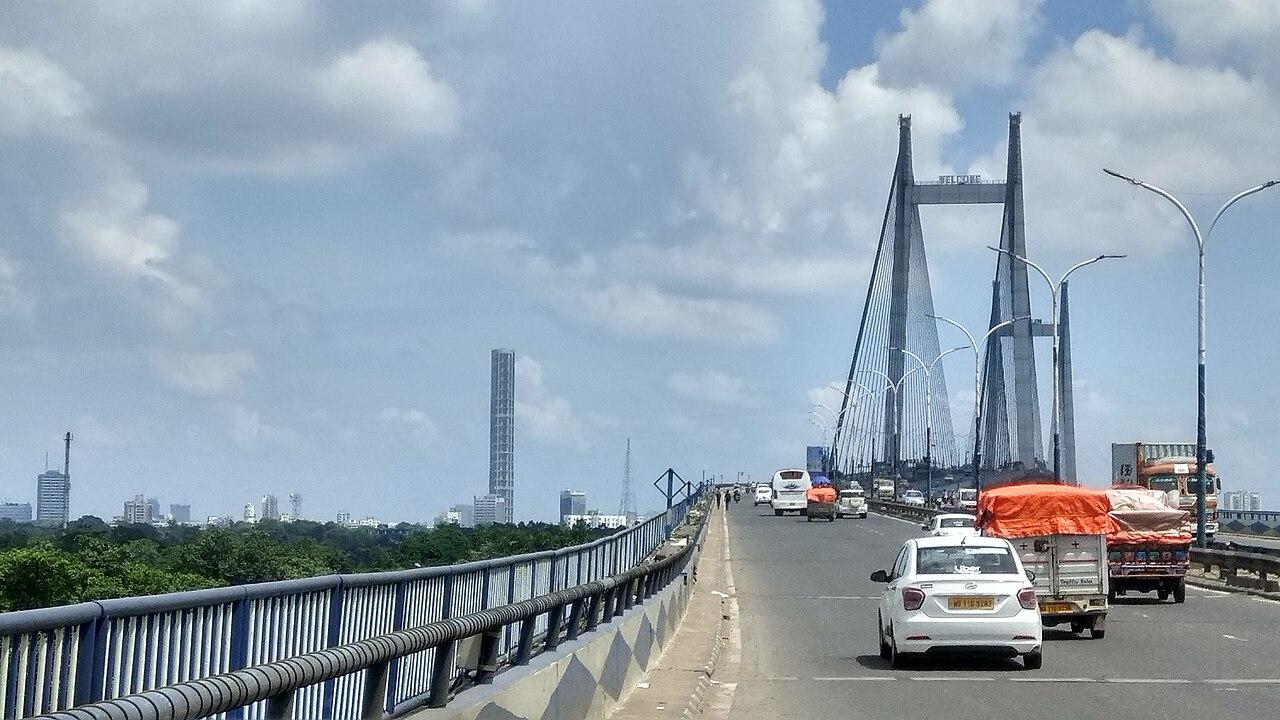
Kolkata has one of India's most distinctive property markets — a city where old-world neighbourhoods like Ballygunge and Bhowanipore coexist with rapidly developing suburban corridors in Rajarhat, New Town, and the Howrah expansion. If you own property in Kolkata and want to sell without paying brokerage until the transaction actually completes, this guide walks you through everything: understanding demand, preparing documents, setting the right price, navigating West Bengal's specific stamp duty and tax rules, and closing efficiently.
Understanding Who Is Buying Property in Kolkata in 2026
Kolkata's buyer segments vary sharply by geography. In South Kolkata — areas like Alipore, Tollygunge, Gariahat, and Jadavpur — demand comes from established families, professionals in finance and healthcare, and an older generation of NRIs maintaining connections to ancestral neighbourhoods. Prices here are relatively stable and buyers are discerning.
In the Eastern Metropolitan Bypass corridor — particularly Kasba, Santoshpur, and Mukundapur — IT professionals and young couples dominate the buyer pool, drawn by new apartment projects and improving connectivity. New Town and Rajarhat have seen significant development and attract buyers from the IT and startup community as well as investors. North Kolkata — Shyambazar, Dumdum, Baranagar — offers more affordable pricing and appeals to middle-income buyers and those connected to the area's trading and manufacturing industries.
Understanding your buyer's profile lets you time your listing correctly and frame your property's strengths appropriately — a South Kolkata flat near good schools and markets is pitched very differently from a New Town apartment near tech parks.
Why Brokerage Is a Bigger Problem in Kolkata Than Sellers Realise
Kolkata's property transaction culture has historically been heavily broker-mediated. Broker commissions in the city typically run at 1% to 2% of the transaction value on each side, and in some cases brokers collect from both buyer and seller. On a flat selling for ₹70 lakh, a seller could pay ₹70,000 to ₹1.4 lakh. This is not legally mandated — it is simply the default that sellers accept without questioning whether there is a better option.
There is. The pay-after-conversion model means you list your property at no cost and pay commission only after your property sells. BookPropertyVisit brings verified buyers, manages enquiry filtering, and arranges free accompanied site visits — so you are not dealing with brokers who bring in low-quality leads simply to justify their eventual commission. For selling property in Kolkata, this model gives owners full control without upfront financial exposure. List your property for free and see how the experience compares. The full process is described at how selling works on BookPropertyVisit.
Document Preparation for Kolkata Property Sales
West Bengal has specific title documentation requirements, and Kolkata's land records can be complex — particularly for older properties with decades of ownership history. Preparing the following before listing prevents delays after a buyer is found:
- Deed of conveyance and title chain: The original purchase deed and all prior sale deeds in the chain of ownership. For older South Kolkata properties, this may go back several decades and involve partition deeds or succession documents.
- Mutation certificate: A mutation in the municipal records (KMDA or KMC) confirming the property is recorded in your name. Without a current mutation, buyers — particularly those financing through banks — will encounter problems. If mutation is pending in your case, initiate it immediately.
- Encumbrance search: Have an advocate conduct a search at the relevant Sub-Registrar's office to confirm no mortgage, lien, or encumbrance is registered against the property.
- Building plan sanctioned by KMC or KMDA: The approved building plan. Unauthorised floors or extensions are common in Kolkata and must be disclosed — buyers' banks will flag them during legal due diligence.
- Property tax receipts: Clearance of property tax dues from Kolkata Municipal Corporation or the relevant municipality is mandatory before registration.
- NOC from apartment association: If applicable, a no-dues certificate from the housing society or Residents' Welfare Association.
- Share certificate (for cooperative housing societies): Relevant for societies structured as cooperatives, which are common in some parts of Kolkata.
Pricing Strategy in a Market Where Guidance Values Lag Reality
West Bengal's circle rates (the government-assessed guidance values used for stamp duty calculation) in many Kolkata localities have historically lagged behind actual market transaction prices. This means that the gap between the guidance value and what buyers actually pay can be significant in prime areas. For sellers, this creates both an opportunity and a responsibility:
- Do not use guidance value as a price proxy: It tells you the floor for stamp duty, not what a buyer will actually pay. Use recent registered comparable transactions — available through the West Bengal Registration Department's portal — to understand actual market levels.
- Avoid cash-component expectations: While it has been historically common in some Kolkata transactions to receive a portion of the consideration in cash (below the registered price), this practice has significant legal and tax risks, including potential scrutiny under the Benami Transactions Act and income tax provisions. A clean, fully documented transaction is in your long-term interest.
- Adjust for building age and construction quality: Kolkata has a wide range of construction vintages. A 1980s construction in South Kolkata requires different pricing logic than a 2018 apartment in New Town. Buyers and their bank valuers will price in structural age and maintenance condition.
- Check for any outstanding dues on the property: Unpaid maintenance, pending litigation, or a disputed succession can all crater a negotiated price at the last minute. Resolve these before listing.
Tax on Property Sale in West Bengal: What Kolkata Sellers Must Know
Selling property triggers capital gains tax at the central level (administered by the Income Tax Department) and stamp duty and registration charges at the state level (administered by West Bengal). Here is what Kolkata sellers should understand — always verify current rates and rules with a Chartered Accountant:
- Long-term capital gains (LTCG): Property held for more than 24 months is classified as a long-term capital asset. The LTCG is computed as the net sale consideration minus the indexed cost of acquisition. The tax rate applicable to LTCG on immovable property and the scope of indexation benefits have been subject to legislative changes — confirm the position for your specific sale year with a CA.
- Short-term capital gains: If the property has been held for 24 months or less, gains are added to total income and taxed at the applicable slab rate.
- TDS under Section 194-IA: If you are a resident Indian and the sale consideration is ₹50 lakh or more, the buyer must deduct TDS at 1% before payment. The buyer files this via Form 26QB. Ensure your PAN is correctly provided so the TDS credit appears in your Form 26AS and is available for credit when you file your income tax return.
- Reinvestment exemptions: Section 54 of the Income Tax Act allows LTCG to be sheltered if reinvested in a residential property within prescribed timelines. Section 54EC allows reinvestment in specified government bonds (subject to caps and lock-in periods). Plan your reinvestment strategy with a CA before the transaction, not after.
- NRI sellers: NRIs selling property in Kolkata face higher TDS deductions — broadly at LTCG rates of around 12.5% to 20% plus applicable surcharge and cess, depending on the holding period and current rules. If the actual tax liability is expected to be lower than the TDS that would be withheld, apply for a lower-deduction certificate (Form 13) from the Income Tax Department well before the transaction date, as processing takes time.
- Stamp duty in West Bengal: Stamp duty rates in West Bengal are set by the state government and vary based on the transaction value and locality. Confirm the current applicable rates with an advocate before proceeding, as these can be revised and vary between municipal and non-municipal areas.
Closing the Sale: Agreement, Registration, and Beyond
The final stages of a Kolkata property sale follow a well-established sequence. Once a buyer is identified and the price agreed, an Agreement to Sale is drawn up by an advocate — this is the legally binding document committing both parties to the transaction. An advance of 10% to 20% of the agreed price is typically paid at this stage. The agreement should clearly specify the total consideration, advance paid, timeline for balance payment, the date targeted for registration, the documents to be handed over, and the consequences of default.
Registration is conducted at the relevant District Sub-Registrar's office. Both buyer and seller (or their registered PoA holders) must appear. Stamp duty and registration fees are computed and paid before the deed is accepted. After registration, the buyer should apply for mutation in their name at the KMC or relevant municipal body — sellers often help facilitate this to ensure a smooth handover.
What is mutation and why does it matter when selling a Kolkata property?
Mutation is the process of updating the municipal tax records to reflect the new owner's name after a registered sale. While it does not confer title (the registered sale deed does), it is important for ongoing property tax assessment and for the buyer's future legal standing with the municipality. As a seller, having the property already mutated in your name before listing simplifies the buyer's due diligence and demonstrates clean, uncontested ownership. If the property is still in a predecessor's name, initiate mutation before listing to avoid delays during buyer verification.
How do I sell a joint-family or ancestral property in Kolkata?
Selling joint-family or ancestral property requires the consent and participation of all co-owners who hold legal title. If the property is undivided ancestral property under Hindu law, all legal heirs may have a claim, and a family settlement or partition deed may be required before the property can be sold as a clear-titled asset. Where a Will exists and has been probated, the executor or beneficiary named in the probated Will can transact. In the absence of a Will, a succession certificate from the competent court establishes the heirs. Engage an advocate experienced in Kolkata estate matters early — disputes or delays here are among the most common reasons property sales fall through in the city.
Can I sell a property in Kolkata that is currently rented out?
Yes, but it requires careful handling. If the tenant has a registered lease agreement, the sale does not automatically terminate the tenancy — the buyer takes over as the new landlord. Buyers who intend to occupy the property themselves will typically require vacant possession as a condition of the sale. In Kolkata, tenant rights under the West Bengal Premises Tenancy Act and older rent-controlled tenancies can be significant legal issues. If your property has a long-standing regulated tenancy, disclose this upfront and engage a lawyer experienced in West Bengal tenancy law to advise on your options before listing the property.
Kolkata's property market has real demand — what separates sellers who close quickly from those who wait months is preparation, fair pricing, and reaching buyers through the right channel. List your property for free on BookPropertyVisit — no listing fee, no brokerage until your property sells, and verified buyers brought directly to you with accompanied site visits already managed. For more, contact info@mexilet.com or call +91 7025892205.
Thinking of selling your property?
Free listing · 0% brokerage · pay only when it sells