
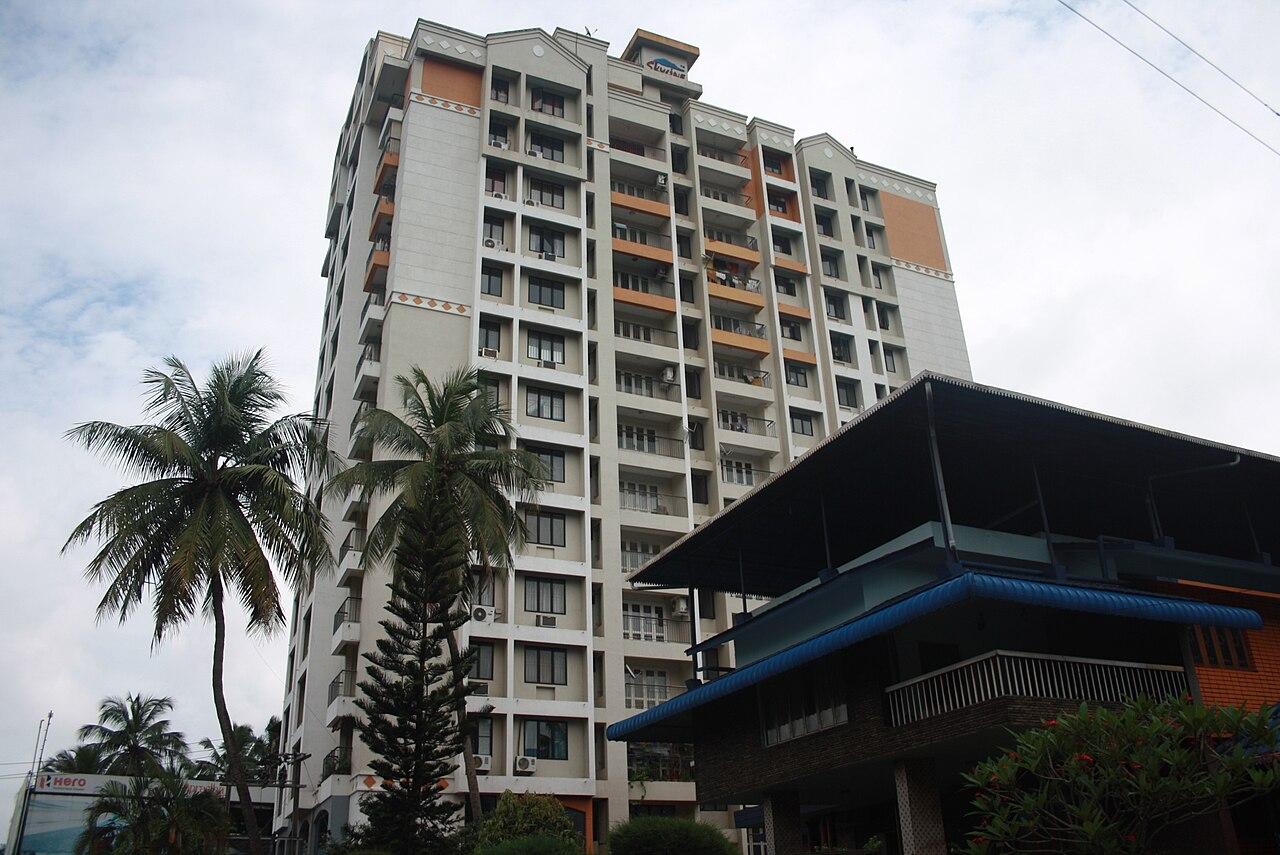
Thrissur — often called the cultural capital of Kerala — has a property market that reflects the city's character: well-established, community-rooted, and driven by genuine end-user demand rather than speculative investment. If you own a house, apartment, or plot in Thrissur and are thinking about selling, one of the first questions you will face is whether to work through a broker and pay a commission, or whether there is a smarter way to reach buyers and keep more of the sale value. This guide shows you how to sell in Thrissur's 2026 market without paying brokerage upfront — and without compromising on buyer quality.
Why Thrissur's Property Market Rewards Patient, Well-Prepared Sellers
Thrissur's residential market is anchored by a strong local economy: gold and jewellery trade, cooperative banking, a significant government and public sector workforce, and an NRI segment from the Gulf that is proportionally large even by Kerala standards. The Thrissur Pooram and the city's reputation as a cultural hub mean it attracts buyers who plan to stay — not flippers or short-term speculators.
Key localities in demand include Punkunnam, Ayyanthole, Thrissur town centre, East Fort area, Ollur, Guruvayur road belt, and the Chalakudy corridor for those willing to go a little further out. Prices in Thrissur town have been relatively stable but firm — this is not a boom-and-bust market, and buyers are value-aware. This means accurate pricing and honest presentation are more important than in a frothy market where buyers may overlook flaws in the excitement of competition.
The NRI buyer from Thrissur deserves special mention. A large number of Gulf-based Thrissur families either own property here or actively seek to acquire one before returning. If your property is in a sought-after part of the city, your natural buyer audience extends well beyond the city limits.
What No-Brokerage Selling Actually Means for You
Traditional brokerage in Kerala typically works like this: the broker charges a percentage of the sale value — often 1–2% from the seller — on top of whatever they charge the buyer. On a ₹70 lakh apartment in Thrissur, that is ₹70,000–1,40,000 out of your proceeds before any tax considerations. The broker earns this regardless of whether the buyer was particularly well-suited to your property, and regardless of how many months the property sat listed without a serious offer.
The alternative is to use a platform that gives you the reach of a professional listing service, the buyer-screening function of a broker, and the visit coordination logistics — but charges you nothing unless the property actually sells. That is the core promise of selling property in Thrissur through BookPropertyVisit. You list your property for free, and BookPropertyVisit matches you with verified buyers who are genuinely interested and have the budget for your property. Site visits are arranged for you — accompanied, so the buyer is not walking through your home unsupervised — and you pay nothing until the deal closes.
This model changes the seller's risk. With a broker, you pay regardless of outcome. With a pay-after-conversion model, your interest and the platform's interest are aligned: both of you want the property to sell at a good price.
Preparing Your Thrissur Property for Sale
Before you list, two things will determine how quickly and cleanly your property sells: documentation and presentation.
Documentation in Kerala is thorough. Buyers and their banks will require:
- The full chain of registered title deeds from the Sub-Registrar's office in the relevant jurisdiction (Thrissur Sub-Registrar for city properties; the appropriate taluk office for outskirt areas).
- Encumbrance Certificate covering your ownership period — minimum 13 years, with 30 years strongly preferred for older properties.
- Possession Certificate and Location Sketch from the Village Officer.
- Latest land tax receipt confirming no arrears.
- Building permit and approved plan from the Thrissur Corporation or the relevant Panchayat/Municipality.
- Occupancy Certificate for apartments and completed buildings.
- No-Objection Certificate from the apartment association (for flats), confirming maintenance dues are clear.
- PAN Card — required for registration of transactions valued at ₹50 lakh or above.
Presentation matters more than sellers typically assume. In a market where NRI buyers may be viewing your property from overseas before deciding to visit on their next trip to India, photographs are the first — and sometimes the only — impression. Hire a local photographer for a few hours, ensure the property is clean and well-lit, and prepare a brief written summary of the key facts: carpet area or extent of land, year built, nearby schools, hospitals, and transport links.
Capital Gains Tax: A Clear Summary for Thrissur Sellers
Understanding your tax liability before the sale completes helps you plan cash flows and avoid surprises when filing your return. Here are the key points:
- Short-term vs long-term: if you held the property for 24 months or less, the gain is short-term and taxed at your regular income tax slab rate. If held for more than 24 months, it is a long-term capital gain. Tax rates and indexation rules for long-term gains on immovable property have been modified in recent Finance Acts — confirm the current position with a CA based on your specific acquisition date and sale year.
- TDS under Section 194-IA: where the sale value is ₹50 lakh or above and you are a resident seller, the buyer must deduct TDS at 1% of the full sale value and file Form 26QB before the registration date. You receive Form 16B as your TDS certificate, and this becomes a tax credit in your return.
- Exemptions available: Section 54 allows you to offset long-term capital gains by reinvesting in another residential property within specified time limits. Section 54EC allows investment in specified capital-gains bonds (up to the annual limit) to claim an exemption. Section 54F applies when you sell a non-residential capital asset and use the proceeds to buy a residential property. Confirm exact limits, timelines, and eligibility conditions with a CA.
- NRI sellers: if you are an NRI selling a Thrissur property, the TDS rate on the buyer's side is higher — broadly at LTCG or STCG rates applicable to NRIs, which can be substantially more than 1%. Apply for a Form 13 lower-deduction certificate from the Income Tax Department before the transaction closes to avoid over-deduction. Repatriation of proceeds is subject to FEMA compliance — work with a CA and your NRI bank desk.
Common Mistakes Thrissur Property Sellers Make
A few patterns consistently delay or derail property sales in Thrissur:
- Refusing to share documents early: buyers and their banks need to conduct legal due diligence. Sellers who are reluctant to share copies of title documents lose buyers to sellers who are more forthcoming. Prepare a document file and share it with serious buyers from the outset.
- Overpricing based on hearsay: "My neighbour sold at X" is not a reliable benchmark without knowing the exact condition, floor, facing, and terms of that transaction. Use the PEARL portal and actual comparable listings, not rumours.
- Ignoring maintenance dues: for apartments, unpaid maintenance dues are a deal-breaker for most buyers' banks. Clear all arrears before listing, and obtain the NOC from the association confirming zero dues.
- Making the sale contingent on a purchase you have not yet secured: if you are selling your current home to buy another, manage the timing carefully. Having a sale agreed but not yet registered while you are still in the market to buy creates a stressful chain that can collapse if either end of it encounters a problem.
- Not disclosing known defects: water seepage, roof cracks, or dispute history are material facts. Disclose them. Buyers who discover undisclosed defects after signing an Agreement for Sale may seek to renegotiate or walk away. Transparency upfront avoids this.
Frequently Asked Questions
Is it possible to sell a joint-ownership property in Thrissur if one co-owner is not in agreement?
No — all co-owners must consent to and sign the sale deed for the transfer to be valid. If you own the property jointly (for example, inherited jointly with siblings) and one co-owner does not agree to sell, you cannot sell your undivided share separately in most practical scenarios. The legal options in such cases include: approaching the civil court for a partition suit, which divides the property physically or assigns undivided shares (a lengthy process), or reaching a negotiated agreement with the co-owners where one buys out the others. In practice, family properties are often sold when all parties eventually agree; a mediator or family lawyer can sometimes facilitate this faster than a court would.
What is the role of the SRO (Sub-Registrar's Office) in the property sale process?
The Sub-Registrar's Office is where the final registered sale deed is executed and registered, making the property transfer legally valid. Both the seller and buyer (or their authorised PoA holders) must be present. The SRO verifies identity documents, computes the stamp duty based on the transaction value or the government fair-value guideline (whichever is higher), and registers the deed in its records. The registered deed is the primary proof of ownership for the buyer. The registration date is also important for capital gains computation — the transfer is treated as complete on this date.
How does BookPropertyVisit coordinate site visits without the seller being present?
When a verified buyer expresses interest in your property, BookPropertyVisit's team contacts you to confirm a suitable time and then coordinates the visit. A BookPropertyVisit representative accompanies the buyer to the property. If you are not able to be present — because you are in another city or travelling — you can arrange for a trusted family member or a person you authorise to be available at the property during the visit. This is particularly useful for NRI sellers or sellers who have relocated and are managing the Thrissur property remotely. The accompanied visit format also means buyers receive structured information about the property rather than wandering through on their own.
Are there any local body taxes or dues I should clear before selling?
Yes. In Thrissur, property tax (assessed by the Thrissur Corporation or the relevant Panchayat/Municipality) must be fully paid up to date. Buyers and their banks will check for tax arrears. Similarly, water and electricity connection dues must be cleared. If the property is in an apartment complex, ensure the maintenance fees are current and get the NOC from the association. Clearing these dues before listing — rather than discovering arrears during buyer due diligence — avoids the embarrassment of a deal slowing or falling through on an easily avoidable issue.
Sell Your Thrissur Property the Smart Way: Free Listing, Pay After It Sells
Thrissur is a market that rewards sellers who prepare well, price honestly, and give buyers a credible, documented picture of what they are buying. BookPropertyVisit is designed for exactly this kind of sale: genuine buyers, screened for intent and budget; free accompanied site visits that bring serious interest to your door; and a fee structure where you pay nothing until your property sells. List your property for free today and experience a smarter way to sell. Read about the full process at how selling works on BookPropertyVisit, or reach our team at +91 7025892205 or info@mexilet.com.
Thinking of selling your property?
Free listing · 0% brokerage · pay only when it sells