
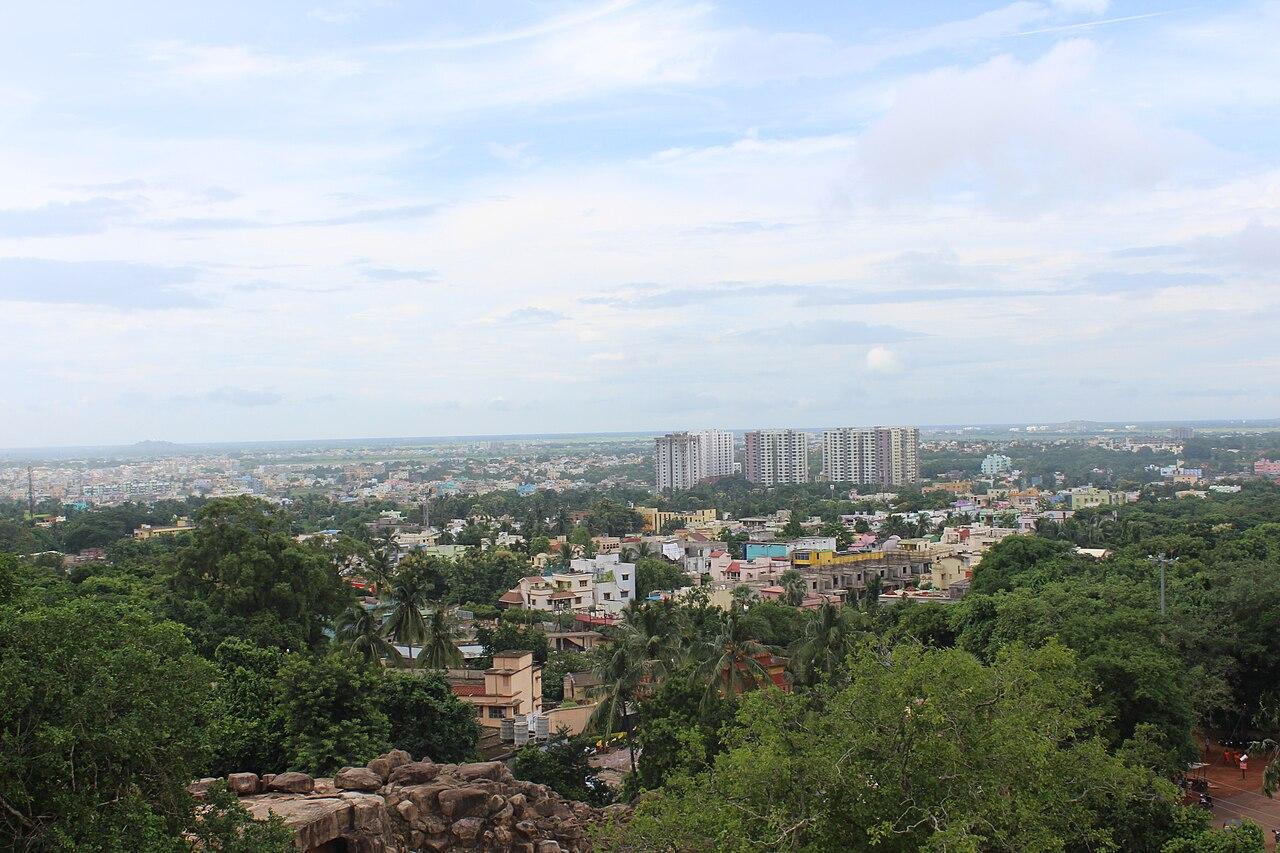
Bhubaneswar has quietly become one of eastern India's fastest-growing cities — a planned capital with expanding IT corridors, government institutions, and a residential market that has seen consistent interest from buyers relocating for work and education. If you own a flat, house, or plot in Bhubaneswar and want to sell in 2026, speed matters — but not at the cost of leaving money on the table. This article covers what actually helps you sell faster while protecting your financial interests, including a model where you pay nothing until your property sells.
Why the Bhubaneswar Market Rewards Prepared Sellers
Bhubaneswar's residential market is driven by demand from government employees, IT professionals (particularly around the Infocity and Chandaka software zones), and young families from Odisha's smaller towns who migrate to the capital for work and schooling. Areas like Patia, Nayapalli, Saheed Nagar, Khandagiri, and the newer units of Chandrasekharpur have distinct price levels and buyer profiles — understanding where your property sits helps you target the right buyers rather than casting a wide and inefficient net.
The Bhubaneswar Development Authority (BDA) has developed several planned residential pockets, and properties within BDA allotments carry a title credibility that banks and buyers trust. Private layouts outside BDA jurisdiction require more thorough due diligence, which means sellers in those areas need cleaner documentation to compensate for the additional scrutiny buyers apply.
One practical reality: properties that have been listed for more than 3-4 months without a sale start to carry an implicit stigma. Buyers wonder what is wrong. Preparing your documents, pricing accurately, and ensuring the listing reaches genuine buyers from day one is far more effective than a slow, reactive approach.
Documents You Must Have Ready Before Listing
A missing or disputed document is the most common reason a Bhubaneswar property sale stalls after a buyer has been found. Sort these out before you list, not after.
- Original sale deed and prior chain of title: Your primary sale deed plus all predecessor deeds. For BDA allotments, the original allotment letter and any subsequent transfer/mutation letters are equally important.
- Mutation certificate (ROR): The Record of Rights in your name at the Tahasil office (now partially available through Odisha's land records portal). This confirms revenue recognition of your ownership.
- Encumbrance certificate: Available from the Sub-Registrar's office for the years you specify. This confirms no mortgage or charge has been registered against the property.
- Building plan approval and completion certificate: From BDA or the relevant Urban Local Body (Bhubaneswar Municipal Corporation). Buyers' home loan banks — particularly nationalised banks — will not disburse without these.
- Property tax receipts: Current paid receipts from BMC, confirming no pending tax dues.
- NOC from housing society or apartment association: For apartments in multi-storey buildings — most banks require this, and it is courteous to the buyer to provide it proactively.
- Power of Attorney (if applicable): If you are selling through a POA holder, the POA must be registered. An unregistered POA does not hold up in property transactions in Odisha.
Pricing Your Property for a Faster Sale
The single most effective thing a Bhubaneswar seller can do to sell faster is price correctly from the start. An accurate price generates multiple enquiries quickly; an inflated price generates silence, then desperation discounts.
How to arrive at a realistic price: check recent sale deeds at the Sub-Registrar's office for comparable properties in your area — these are the most reliable data points because they show what buyers actually paid, not what sellers hoped to get. Cross-check with listings on property portals, but discount listed prices by at least 5-10% to estimate transaction prices. Ask people in your network who have recently transacted in your locality.
Also check the government circle rate (guidance value) for your area and property type. If your asking price is significantly above circle rate, buyers taking home loans will face challenges because banks typically lend against the lower of market value and circle rate. Pricing within a band that works for loan-based buyers opens up a much larger pool of potential purchasers in Bhubaneswar, where the majority of residential transactions involve home loans.
The Pay-After-Conversion Model: How to Sell Without Upfront Broker Fees
Property owners in Bhubaneswar routinely pay broker commissions of 1-2% of the sale value — often to both sides of a transaction, meaning both buyer and seller pay. On a ₹55 lakh flat, a 1.5% commission on the seller's side alone is ₹82,500, paid regardless of how long the process took or whether the broker added genuine value.
BookPropertyVisit offers a direct alternative: list your property for free, with no upfront cost. Verified buyers are matched to your listing, and free accompanied site visits are arranged — BookPropertyVisit sends a representative with each buyer, so you are not hosting strangers alone. You pay only after your property actually sells. This is the pay-after-conversion model, and it aligns the platform's interest entirely with yours: it earns nothing unless you sell.
For owners who want to understand the full process, how selling works on BookPropertyVisit explains it step by step. And for Bhubaneswar-specific enquiries and listings, explore selling property in Bhubaneswar for the local context.
Tax and Legal Essentials for Odisha Property Sellers
Selling property in Bhubaneswar generates capital gains tax liability at the central government level. Understanding the basics helps you plan your pricing and post-sale investments.
Holding period: Properties held for more than 24 months qualify as long-term capital assets. The gain is a long-term capital gain (LTCG). Properties held for less than 24 months produce short-term capital gains taxed at your regular income tax slab rate.
LTCG rate and indexation: Following the Union Budget 2024 amendments, LTCG on immovable property is taxed at 12.5% without the benefit of indexation. For properties acquired before a specific date, there may be an option to choose the earlier indexed rate — your CA is best placed to calculate which option gives you a lower tax outcome for your specific acquisition date and cost.
TDS obligation on the buyer: If the sale price is ₹50 lakh or more, the buyer is required to deduct TDS at 1% (under Section 194-IA) before paying you. This is mandatory and the buyer deposits it using Form 26QB. You receive Form 16B as the TDS certificate. Claim this credit in your income tax return — do not overlook it.
Reinvestment exemptions: If you reinvest the capital gains into another residential property within the prescribed period, Section 54 allows you to claim an exemption. Section 54EC allows investment of up to ₹50 lakh in capital-gains bonds (NHAI, REC) within six months of the sale to avoid LTCG on that amount. Confirm current applicable limits and conditions with a CA, as these provisions have been amended in recent years.
Odisha stamp duty: Stamp duty in Odisha is borne by the buyer and is calculated on the higher of the sale value or the government circle rate. The current rate for urban properties is around 5% (with a registration fee of around 2%) — buyers are aware of this and may negotiate the total cost accordingly. This does not directly reduce your sale proceeds, but it affects what buyers are willing to offer net.
Making Your Property Stand Out to Bhubaneswar Buyers
Bhubaneswar buyers in 2026 are well-informed. Many have toured multiple properties and can instantly compare yours to alternatives they have seen. A few low-cost improvements that pay off:
- Photographs that work: Most buyers begin their search online. Clear, well-lit photographs — taken during the day with rooms tidied — generate significantly more enquiries than blurry or cluttered images. This is now essential, not optional.
- Accurate area disclosure: State the carpet area, built-up area, and super built-up area separately and honestly. Bhubaneswar buyers — especially those who have dealt with developers — are sensitive to area misrepresentation.
- Maintenance and common charges disclosure: For apartments, state the monthly maintenance charge clearly. High maintenance puts off some buyers; low maintenance is a selling point.
- Proximity to demand drivers: Mention nearby schools, hospitals, IT parks, metro stations (where applicable), and main roads specifically — don't just say "centrally located." Specific facts are more persuasive.
- Flexibility on possession: If you can offer a short and firm possession timeline, say so. Buyers who need to vacate rented accommodation have a deadline and will prioritise sellers who can match it.
How quickly can I realistically sell a flat in Bhubaneswar?
For a well-priced flat in a demand area (Patia, Nayapalli, Chandrasekharpur, Saheed Nagar) with complete documentation, a realistic timeline from listing to executed agreement is 4-8 weeks, provided the listing reaches genuine buyers from the start. Registration can then happen within a further 2-4 weeks after agreement. Properties in less central locations or those priced above market can take 3-6 months. The key variables are price accuracy and buyer reach — both are within your control.
Do I need to pay GST when selling a residential property in Bhubaneswar?
GST does not apply to the sale of a completed residential property (where construction is already done and an occupancy certificate has been issued). GST is applicable only on the purchase of under-construction properties directly from a developer. If you are a builder selling new under-construction units in Bhubaneswar, GST applies — consult a CA for the applicable rate based on your project's classification. As an individual owner selling a completed home, GST is not a concern for your transaction.
Can I sell a BDA-allotted plot that I have not yet built on?
Yes, BDA-allotted plots can be transferred/sold, but the process involves a BDA transfer fee and specific documentation requirements that differ from a simple private sale. You typically need to apply to BDA for permission to transfer, pay the applicable transfer charges, and have the allotment letter and any NOC from BDA ready for the buyer. BDA's rules on this have evolved over the years — contact the BDA office directly or consult a lawyer familiar with Odisha land and development authority rules to confirm the current procedure before you list.
What should I do if a buyer wants to pay partly in cash?
This is a significant legal and financial risk for you as the seller and should be avoided. Under the Income Tax Act, any transaction where the undisclosed portion is received in cash results in both parties being exposed to scrutiny, and the "black money" portion does not reduce your capital gains liability — it must still be declared as income or will be treated as unexplained cash. Beyond tax, cash received outside the registered sale deed gives you no legal protection if the buyer later disputes the transaction. Register the full sale consideration and structure any ancillary payments through banking channels, with documentation. Your lawyer and CA can advise on how to structure this correctly.
Bhubaneswar's property market is active and buyers are looking — the question is whether your listing reaches them efficiently and with the right information. List your property for free on BookPropertyVisit, connect with verified buyers, and pay only after your property sells. No brokerage upfront, no commissions until the deal closes. Get in touch at info@mexilet.com or +91 7025892205 if you have any questions before you list.
Thinking of selling your property?
Free listing · 0% brokerage · pay only when it sells