
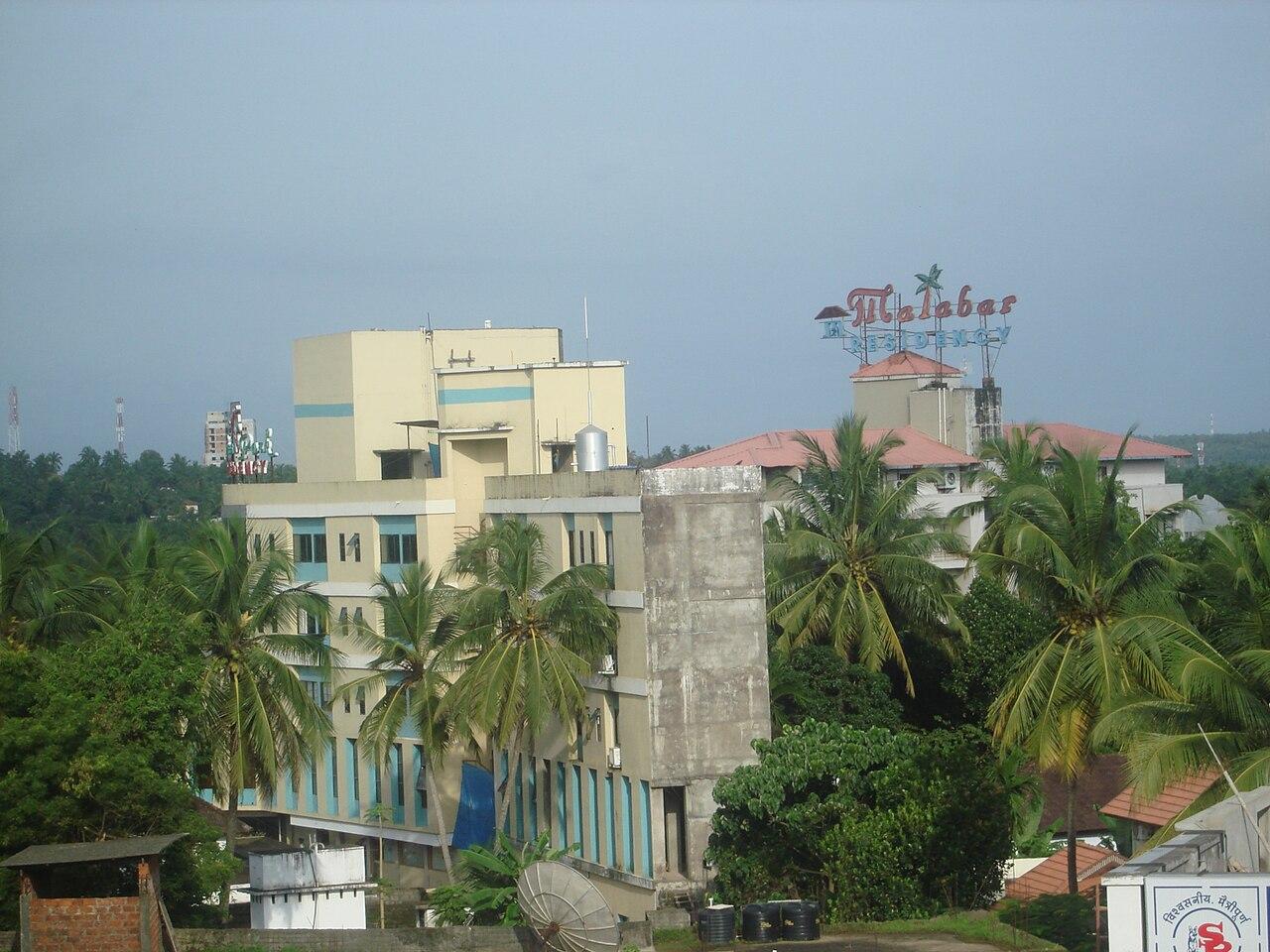
Kannur has always stood apart — a city of strong community ties, a thriving cashew and handloom economy, and a real estate market that is quietly drawing interest from buyers both within Kerala and from the large Kannur diaspora in the Gulf. If you own a house, flat, or plot in Kannur and are thinking about selling in 2026, you probably have questions: How do you find genuine buyers? Do you need a broker? What documents must you prepare? This guide walks you through every step, in plain language, without the jargon.
Understanding the Kannur Property Market in 2026
Kannur's property market is shaped by a few distinct forces. NRI remittances from the Gulf continue to drive demand for independent houses and premium flats, particularly in localities like Thavakkara, Civil Station Road, Anjarakandy, and Payyanur. At the same time, growing institutional activity around Kannur International Airport (which opened in 2018 and handles increasing passenger volumes) has nudged demand in the airport-adjacent belts of Mattannur and Iritty.
Land prices in central Kannur town have firmed up because supply of large plots is genuinely scarce. Smaller towns like Thalassery and Payyanur offer more affordable entry points, which makes them attractive to first-time buyers moving up from rented accommodation. As a seller, understanding where your property sits in this demand picture helps you price it realistically rather than aspirationally — the two are not always the same thing.
One honest note: the Kannur market can move at a deliberate pace. Buyers here tend to be thorough and community-referral-oriented. Rushed or overpriced listings simply sit. The sellers who do well are those who prepare their paperwork early, price based on comparable sales, and ensure the property is genuinely accessible for site visits — including for NRI buyers who often send a trusted local contact to inspect on their behalf.
Documents You Need Before Listing in Kannur
Kerala has a well-established registration and documentation framework. Getting your papers in order before you list — rather than scrambling after a buyer appears — saves weeks and prevents deals from collapsing at the finish line.
- Title deeds: The original sale deed (or gift/partition deed, as the case may be) plus all prior deeds forming the chain of title going back at least 30 years. In Kerala, a 30-year title search is standard practice.
- Encumbrance Certificate (EC): Obtain an up-to-date EC from the Sub-Registrar's office covering at least 15-30 years. This confirms no mortgages, charges, or pending litigation are registered against the property.
- Possession and location sketch: A certified sketch from the Village Office (Thahasildar) showing the survey number, boundaries, and area.
- Pattayam (Land records/Thandaper): Revenue records confirming your ownership from the Village Office.
- Building permit and completion certificate: If you are selling a built structure, the original building permit from the local body (municipality or grama panchayat) and the completion/occupancy certificate are essential. Buyers' home-loan banks require these.
- Property tax receipts: Latest paid receipts from the local body, confirming no arrears.
- No-objection from co-owners: If the property is jointly owned — very common in Kerala where property passes through family succession — get written consent from all co-owners before listing.
For apartments in approved complexes, also gather the society's share certificate, NOC from the apartment owners' association, and the original allotment letter from the developer.
Pricing Your Kannur Property Correctly
Overpricing is the single most common reason properties in Kannur linger unsold. Sellers sometimes use the price a neighbour quoted (but did not actually achieve) as the benchmark. A more reliable approach:
- Check recent registered sale deeds at the Sub-Registrar's office — these are public records that show what buyers actually paid.
- Look at current listings on property portals for comparable properties in the same locality, same built-up area range, and similar age of construction. Treat listed prices as ceiling, not floor — most transactions close below list.
- Factor in the fair value (market value) fixed by the Kerala Government for your survey number. Registration duty is calculated on whichever is higher — the actual sale price or the fair value. Buyers are aware of this and will price accordingly.
- Account for condition: an older house that needs rewiring, plastering, or re-roofing will be discounted by buyers who factor in renovation cost.
A realistic price generates genuine enquiries. An inflated price generates silence — or time-wasters who lowball just to test how desperate you are.
How to Sell Without a Broker — and Why It Is Now Realistic
The traditional argument for paying a broker 1-2% of the sale value was access: they knew buyers, they handled enquiries, they managed visits. That access advantage has eroded significantly because serious buyers now search online before they call anyone. What sellers actually need is not a broker — it is a platform that surfaces the listing to verified buyers and handles the coordination of site visits.
This is where selling property in Kannur through BookPropertyVisit works differently. You list your property for free — no upfront fee, no registration cost. BookPropertyVisit screens interested buyers for genuine intent and financial seriousness, then arranges accompanied site visits at times that work for you. You pay nothing until your property actually sells. For a property valued at, say, ₹60 lakh, a 2% broker fee amounts to ₹1.2 lakh — paid upfront, win or lose. The pay-after-conversion model eliminates that risk entirely.
Learn more about how selling works on BookPropertyVisit to understand the full process before you decide.
Tax Implications for Sellers in Kannur
Selling property in Kerala triggers capital gains tax, and understanding the basics helps you plan the transaction — and consult a CA with the right questions.
Short-term vs long-term: If you have held the property for more than 24 months (for land or buildings), the gain is a long-term capital gain (LTCG). For less than 24 months, it is a short-term capital gain taxed at your applicable income tax slab rate.
LTCG tax and indexation: The indexation rules on LTCG for immovable property were amended in the Union Budget 2024. The position as of 2026 is that sellers can choose between paying LTCG at 12.5% without indexation or (for properties acquired before a specific cut-off date) the earlier regime. This is a nuanced calculation — ask your CA which option is more beneficial for your specific acquisition date and cost.
TDS by the buyer: Under Section 194-IA, if the sale value is ₹50 lakh or more, the buyer is required to deduct TDS at 1% before paying you. Ensure the buyer deducts and deposits this correctly (using Form 26QB), and that you collect the TDS certificate (Form 16B) to claim credit while filing your income tax return.
Exemptions: If you reinvest the capital gains in another residential property within the prescribed time frame, you may claim exemption under Section 54. If you invest the gains (up to ₹50 lakh) in capital-gains bonds (NHAI, REC) within six months of the sale, Section 54EC applies. Verify the current applicable limits and timelines with a tax professional, as these have seen amendments.
NRI sellers: If you are an NRI selling property in Kannur, TDS is deducted at a significantly higher rate — typically around 12.5% to 20% plus applicable surcharge and cess on the sale consideration, not just the gain. You can apply for a lower-deduction certificate (Form 13) from the Income Tax Department in advance, which can substantially reduce the TDS burden. Start this process early as it takes time.
Making Your Property Attractive to Serious Buyers
Buyers touring a property in Kannur — or sending a representative to inspect on their behalf (very common for NRIs) — form a strong first impression within minutes. A few practical steps that cost little but matter:
- Clear boundary walls and compound: in Kerala, an overgrown compound is often read as a maintenance problem and signals that the property has been neglected.
- Ensure water supply and electrical connections are functional and demonstrable during a visit.
- If there is a well or borewell, disclose its status clearly. Water availability is a key concern for buyers in several parts of Kannur.
- Keep all original documents — including the parent deed and earlier sale deeds — physically accessible for the buyer's advocate to inspect during due diligence.
- If any minor repairs (leaking roof, cracked flooring, damaged windows) are pending, complete them before listing or disclose them explicitly and adjust the price.
Do I need to hire a broker to sell property in Kannur?
No. You can list your property directly on platforms like BookPropertyVisit at no upfront cost. The platform screens buyers for genuine intent, arranges accompanied site visits, and charges only if and when your property actually sells — so you carry no financial risk during the listing period. A traditional broker charges 1-2% of the sale value regardless of outcome, which on a typical Kannur property can amount to a significant sum paid even if the sale falls through.
How is property registration done in Kerala, and what are the costs?
Property registration in Kerala is done at the Sub-Registrar's office in the jurisdiction where the property is located. Stamp duty in Kerala is 5% of the higher of the sale value or the government's fair value (with some variations based on property type and local body). Registration fee is an additional 2%. The buyer typically bears these costs, but this is a matter of negotiation — it is common for sellers to be aware of these to avoid last-minute surprises in the final sale agreement. Both buyer and seller (or their authorised representatives) must be present for registration.
Can I sell a property that still has a home loan outstanding against it?
Yes, but the process requires an additional step. You must obtain a No Objection Certificate (NOC) from your bank or housing finance company. The standard approach is for the buyer to pay off the outstanding loan amount first (or the buyer's bank does so as part of the disbursement), after which the bank releases the original title documents and issues the NOC. Coordinate with your lender early so you know the exact outstanding principal — buyers will ask for this figure during negotiation.
What happens if there are multiple legal heirs and not all of them agree to sell?
In Kerala, property that has passed through inheritance must be transferred to all legal heirs before it can be sold collectively. If all heirs agree to sell, a family settlement deed or partition deed can consolidate ownership, followed by the sale deed. If there is a genuine dispute among heirs, the matter may need to be resolved through a legal partition suit. You cannot sell a property without the consent (and signature) of all co-owners, as no buyer's advocate will approve such a title. Address this before listing — buyers will not wait for family disputes to resolve after they have expressed interest.
Selling property in Kannur in 2026 is straightforward when your documents are clean, your price is realistic, and your listing reaches the right buyers. BookPropertyVisit gives you a direct path: list your property for free today, let the platform bring you screened, serious buyers, and pay only after your property sells. No brokerage upfront. No time-wasters. No commissions until the deal is done. For any questions, reach us at info@mexilet.com or +91 7025892205.
Thinking of selling your property?
Free listing · 0% brokerage · pay only when it sells