
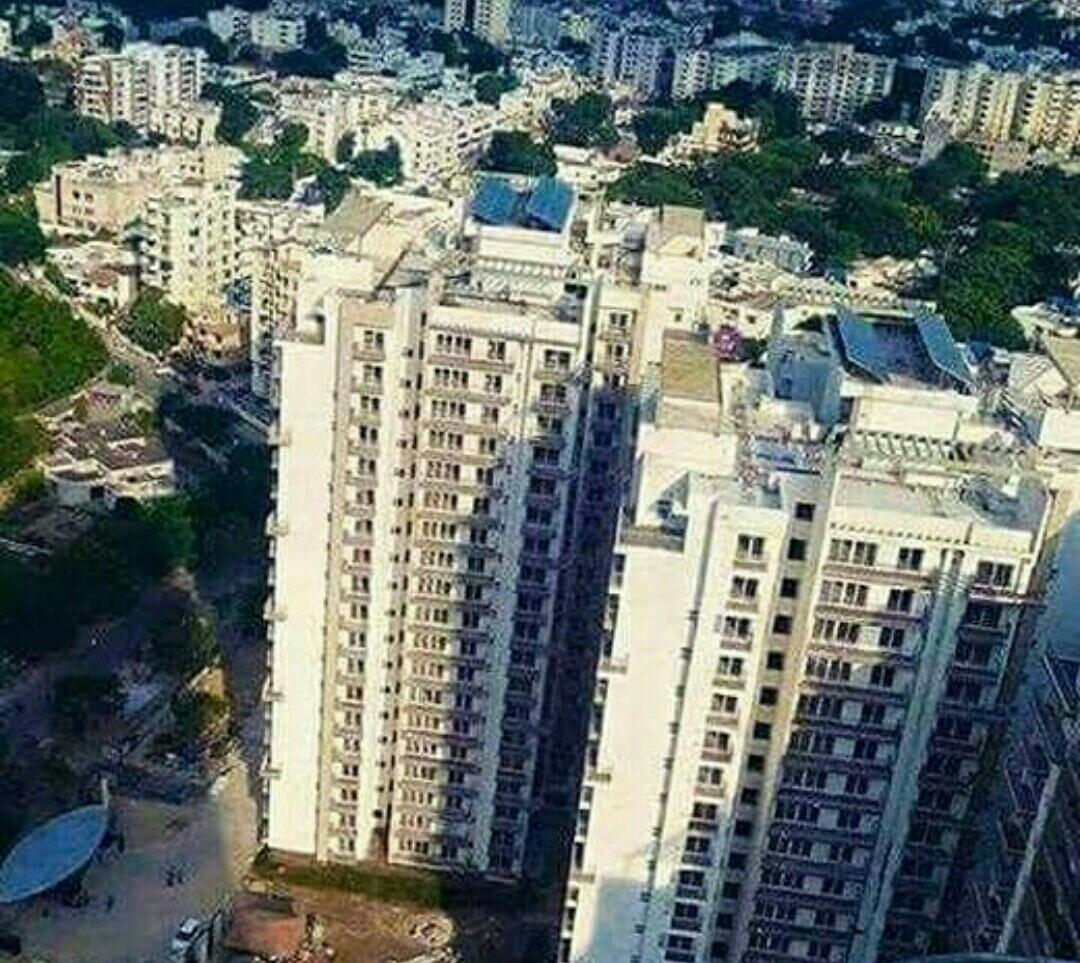
Kanpur is one of Uttar Pradesh's most active property markets, with demand driven by a mix of industrial workers, traders, government employees and a growing professional class. If you are an owner looking to sell a flat, house or commercial property in Kanpur, navigating the process without a broker can feel daunting — but it is entirely achievable when you know the right steps. This guide walks you through exactly what to do in 2026, from pricing and paperwork to tax obligations and finding genuine buyers.
Understanding the Kanpur Property Market in 2026
Kanpur's real estate landscape has always been shaped by its identity as an industrial and trading hub. Localities such as Civil Lines, Kidwai Nagar, Swaroop Nagar and Kalyanpur attract buyers looking for established residential neighbourhoods, while areas near the Kanpur Chakeri Airport corridor and the Lucknow-Agra Expressway catchment have seen fresh interest from investors. The Defence corridor running through Uttar Pradesh has also added commercial momentum to parts of the city.
Before listing, research recent transaction prices in your specific locality — not just asking prices on portals, but actual registered sale figures. These are available through the Uttar Pradesh Stamps and Registration Department's IGRS portal, which publishes circle rates and registered deed values. Circle rates in Kanpur vary substantially by zone; always check whether your property's market value is close to, above or below the current circle rate, as this affects stamp duty and capital gains calculations.
Preparing Your Property and Documents
A well-prepared seller commands better prices and closes faster. Start by assembling every document before you speak to a single buyer:
- Title documents: Sale deed, mother deed (chain of ownership), and any gift deed or partition deed if the property was inherited or family-held.
- Encumbrance certificate: Obtain this from the Sub-Registrar's office or the IGRS portal to confirm no outstanding loans or legal claims exist on the property.
- Property tax receipts: Clearance from the Kanpur Nagar Nigam or the relevant authority showing all dues are paid.
- Occupation certificate / building approval plan: Particularly important for builder-floor and apartment sales; buyers and their banks will ask for these.
- Society NOC (if applicable): For apartment complexes, the housing society must issue a no-objection certificate before transfer.
- RERA information: For builder projects in UP, verify RERA registration details on UP-RERA's portal — buyers increasingly check this before committing.
On the physical side, attend to minor repairs — leaking taps, broken tiles, fresh paint — before site visits. First impressions drive offers. Declutter and allow natural light to show the space at its best.
Pricing Your Property Realistically
Overpricing is the single biggest reason properties sit unsold in Kanpur for months. Set your price by triangulating three data points: comparable registered sale values in the last twelve months, current asking prices on property portals for similar units, and the official circle rate. Price slightly above your absolute floor but within striking distance of the market median. Buyers in Kanpur are price-sensitive — a listing priced 15% above comparable sales will attract very few serious inquiries.
If your property has genuinely differentiating features — a corner plot, a south-facing flat, a recently renovated kitchen, proximity to a good school or hospital — document and quantify them. You can reasonably seek a premium, but be prepared to justify it to every buyer who visits.
Tax Obligations When Selling Property in Kanpur
Capital gains tax applies to property sales in India regardless of whether the property is in Kanpur, Delhi or anywhere else. The holding period determines whether you pay short-term or long-term capital gains tax. Property held for more than 24 months qualifies for long-term capital gains (LTCG) treatment.
Key points for 2026:
- TDS under Section 194-IA: If the sale consideration is ₹50 lakh or more, the buyer is required to deduct 1% TDS and deposit it before paying you. Ensure you receive Form 16B from the buyer after the sale.
- Long-term capital gains: LTCG on property is taxable. The indexation rules changed in 2024-25; some sellers can choose between the old indexed rate and a flat rate depending on when they acquired the property. Confirm the current applicable option with a chartered accountant before filing.
- Exemptions: Under Section 54, if you reinvest sale proceeds into another residential property within the specified timelines, you can claim exemption on LTCG. Section 54EC allows exemption by investing in notified capital-gains bonds (subject to a cap). Section 54F applies when selling a non-residential asset to buy a house.
- NRI sellers: If the seller is a Non-Resident Indian, TDS rates are significantly higher — typically around 12.5% to 20% plus applicable surcharge and cess — deductible by the buyer. NRI sellers should consider applying for a lower-deduction certificate (Form 13) from the Income Tax department well before the sale closes.
Always engage a qualified CA for your specific situation; tax treatment can vary based on your residency status, the number of properties you own, and the precise dates of purchase and sale.
Finding Genuine Buyers Without a Broker
Traditional brokers in Kanpur typically charge 1% to 2% of the sale value from the seller, in addition to a fee from the buyer. On a ₹60 lakh property, that is ₹60,000 to ₹1.2 lakh — money you can retain by connecting directly with verified buyers. The challenge has always been access to a large enough pool of serious, pre-screened prospects.
This is where selling property in Kanpur through BookPropertyVisit changes the equation. The platform brings qualified buyers to you at no upfront cost to the seller. You list your property for free, BookPropertyVisit screens interested buyers and arranges accompanied site visits — meaning you do not have to deal with casual inquirers, tourists or broker chains. You only pay after your property actually sells. Until then, it costs you nothing.
To understand exactly how selling works on BookPropertyVisit, visit their seller information page. The model is straightforward: list, receive verified visitors, negotiate directly and pay the platform fee only on successful completion.
Negotiating and Closing the Sale
Once you receive an offer, take your time before accepting or countering. A serious buyer will provide an advance token (byana) — typically 1% to 5% of the agreed price — as a sign of commitment. Draft a proper sale agreement capturing the agreed price, token amount, payment schedule, possession date and any conditions. Have a lawyer review this document; it protects both parties.
The final sale deed must be executed at the Sub-Registrar's office in Kanpur with both buyer and seller present (or their authorised representatives via power of attorney). Stamp duty in Uttar Pradesh is currently charged at 7% for male buyers and 6% for female buyers, with a registration fee of 1%. These rates can be updated by the state government; verify the current schedule before finalising the deal.
Do I need a broker to sell property in Kanpur legally?
No. There is no legal requirement to involve a broker in a property sale in India. You are fully entitled to sell directly to a buyer. What you need is a valid sale deed registered at the Sub-Registrar's office, all required documents in order, and compliance with tax obligations such as TDS and capital gains reporting. Platforms like BookPropertyVisit help you find buyers without paying broker commissions upfront.
How long does it typically take to sell a property in Kanpur?
Timeframes vary widely depending on locality, pricing and property type. Well-priced residential properties in established areas like Civil Lines or Swaroop Nagar can find buyers within a few weeks. Properties priced above market or in less active micro-markets may take several months. Correct pricing, good documentation and allowing genuine buyer visits are the three factors most within your control.
What happens if the buyer backs out after paying the token amount?
The terms of forfeiture should be specified in the sale agreement you sign after receiving the token. Typically, if the buyer withdraws without a valid contractual reason, they forfeit the advance. If the seller withdraws, they are usually required to return double the token amount. Always have a lawyer draft or review the sale agreement to ensure these clauses are clearly stated and enforceable.
Is it possible to get exempt from capital gains tax if I sell my Kanpur property and buy another house?
Yes, Section 54 of the Income Tax Act allows an exemption on long-term capital gains if you purchase one residential house within one year before or two years after the sale, or construct a house within three years. The exemption is limited to the amount invested, and there are conditions on retaining the new property. The rules around how many properties qualify changed in recent budgets, so confirm the current position with a chartered accountant before planning your reinvestment.
Selling your property in Kanpur without a broker is not just possible — it is increasingly the practical choice for owners who want to retain their full proceeds and deal with verified buyers. List your property for free on BookPropertyVisit today. You pay nothing until your property sells, and every site visit is arranged with a screened, serious buyer. To get started or to ask a question, contact info@mexilet.com or call +91 7025892205.
Thinking of selling your property?
Free listing · 0% brokerage · pay only when it sells