
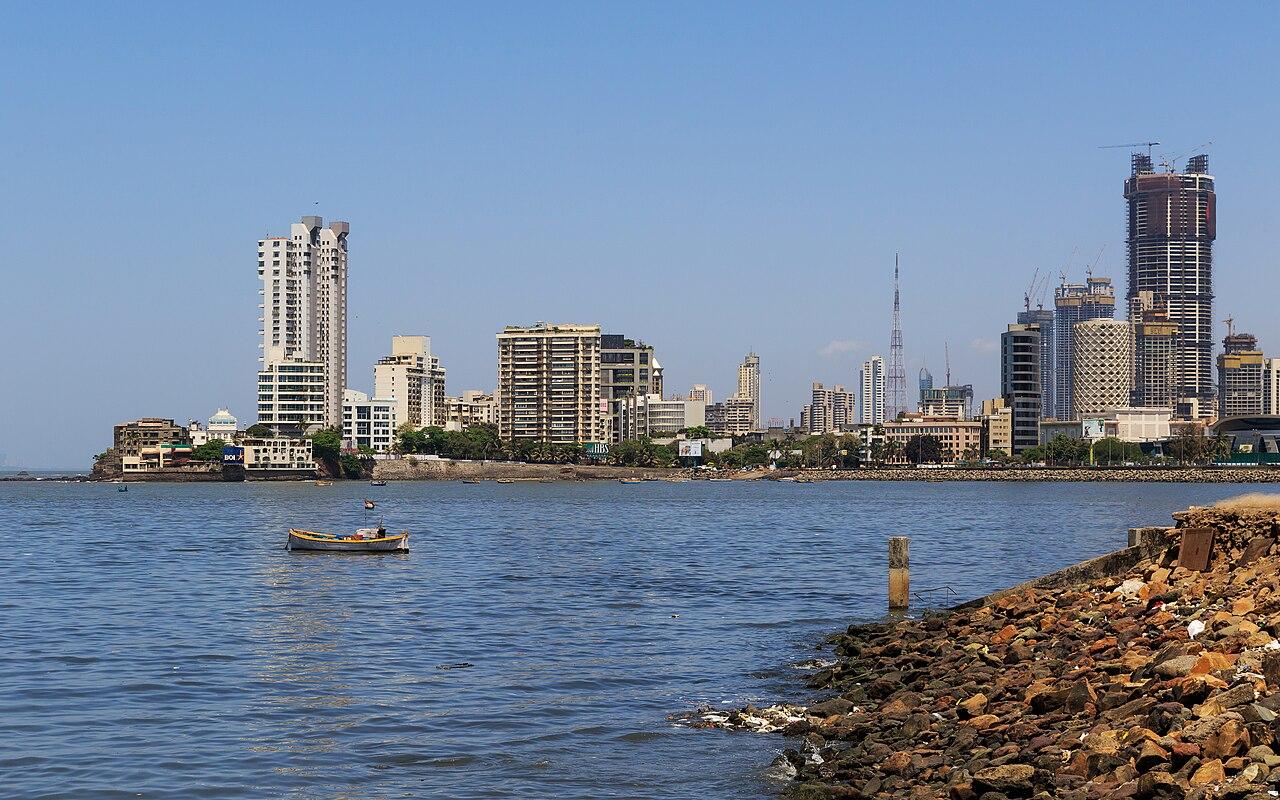
Selling property in Mumbai is one of the most significant financial decisions you will ever make, and doing it without a broker is increasingly straightforward in 2026. With the right preparation, clean documentation and a platform that brings verified buyers directly to your door, you can close a deal in Mumbai's competitive market without handing over a hefty brokerage commission. This guide walks you through every step of the process.
Understanding Mumbai's Property Market in 2026
Mumbai is not a single market. Micro-markets such as Andheri, Chembur, Malad, Borivali, Dadar and the western suburbs each behave differently. Demand for 1 BHK and 2 BHK apartments has stayed firm, driven by end-users rather than investors, which means sellers with well-maintained, ready-to-move properties hold a solid position.
Mumbai's expanding metro network and major infrastructure projects continue to shift buyer interest toward previously overlooked localities. If your property is near a new metro station or a planned corridor, highlight that connectivity in your listing. Builders and developers should note that RERA registration under MahaRERA is mandatory — keep your project registration number ready, as any credible buyer will ask for it.
Getting Your Documents Ready Before You List
The biggest reason Mumbai deals drag or collapse is documentation gaps. Before listing anywhere, gather and verify:
- Title documents: Original sale deed and chain of title going back at least two to three transactions.
- Building approvals: Occupancy Certificate (OC), Commencement Certificate (CC) and, where applicable, the society's conveyance deed.
- Encumbrance: Confirm no active mortgage exists, or if a home loan is outstanding, understand the bank's NOC process.
- BMC property tax receipts: Last three to four years, confirming no arrears.
- Society share certificate: Indispensable for CHS apartments.
- PAN and Aadhaar: Required for sale deed registration and TDS compliance.
Spending a week on documentation before you list will save months of negotiation breakdowns later. A property with clean papers commands a better price and sells faster, especially when buyers are using home loans.
Setting the Right Asking Price
Overpricing is the single most common mistake Mumbai sellers make. A flat listed at 15% above market can sit for months, attract a stigma and eventually sell for less than a well-priced property would have from the outset.
To price accurately, check recent registered transactions on the Maharashtra IGR portal for comparable flats in your building or nearby buildings over the last six months. Supplement that with active portal listings to understand competition. If your flat offers a premium feature — high floor, sea view, covered parking — factor it in, but stay grounded in what buyers are actually paying. Remember that Mumbai's stamp duty adds a real cost for buyers and affects their effective capacity; factor that into your pricing conversation.
Tax Implications Every Mumbai Seller Must Know
Selling property triggers capital gains tax. Whether it is short-term or long-term depends on the holding period — properties held more than 24 months qualify for long-term capital gains (LTCG) treatment.
Key points for 2026:
- TDS under Section 194-IA: If the sale value is ₹50 lakh or more, the buyer deducts 1% TDS using Form 26QB and issues you a Form 16B. Ensure the buyer completes this — it appears in your Form 26AS.
- Indexation and LTCG rate: Rules around indexation for property sales have changed in recent budgets. The applicable rate and indexation treatment depend on your acquisition date. Confirm the exact computation with a Chartered Accountant before you close — the difference can be significant.
- Exemptions: Section 54 allows LTCG exemption if you reinvest gains in a new residential property within prescribed time limits. Section 54EC lets you invest up to ₹50 lakh in specified bonds (NHAI, REC). Section 54F applies to non-residential asset sales. A CA will identify which route saves you the most.
- NRI sellers: TDS is deducted at much higher LTCG rates — potentially well above 20% including surcharge and cess — unless you obtain a lower-deduction certificate via Form 13. Apply well before your sale closes to avoid cash-flow pressure.
Selling Without a Broker and Still Getting Genuine Buyers
Traditional brokers charge 1-2% of the sale value as commission — on a ₹1 crore flat, that is ₹1-2 lakh for an intermediary. In 2026, this is not necessary.
BookPropertyVisit lets you list your property for free with no upfront cost and no commission until your property actually sells. Every buyer brought for a site visit is screened and verified — no time-wasters, no brokers pretending to be buyers, and all visits are accompanied and coordinated so your time is respected. For the full process, read about how selling works on BookPropertyVisit and the specifics of selling property in Mumbai.
To make broker-free selling work: write an accurate, honest listing with good photographs taken in natural daylight; price the property realistically; respond quickly to enquiries; and be willing to accommodate accompanied site visits with genuine buyers.
Completing the Sale: Negotiation and Registration
Once a serious buyer emerges, the Mumbai process typically follows: verbal price agreement → token advance (₹1-5 lakh as earnest money) → Agreement for Sale → buyer arranges finance → final sale deed registered at the Sub-Registrar office. Never accept a significant cash component — insist on bank transfers for all payments, and keep copies of every acknowledgement. Appoint a local property lawyer to draft or review the sale deed, especially for CHS structures, SRA properties or redevelopment schemes. Registration requires both buyer and seller to be present, or authorised representatives under a registered Power of Attorney.
Do I need a broker to sell property in Mumbai?
No. A broker is not legally required at any stage. Individual owners can list directly on platforms like BookPropertyVisit, which handle buyer discovery, screening and site visit coordination at no upfront cost. You pay only after your property sells, saving the 1-2% commission that would otherwise come out of your sale proceeds.
How long does it take to sell a flat in Mumbai?
A realistically priced, well-documented apartment in an active micro-market can attract a buyer within four to twelve weeks. Properties priced above market or with documentation gaps can take six months or longer. Accurate pricing and document readiness are the two variables most within a seller's control.
What is TDS on property sale and who pays it?
Under Section 194-IA, the buyer deducts 1% TDS when purchasing property for ₹50 lakh or more. The buyer deposits this via Form 26QB and gives you a Form 16B certificate. You claim this TDS credit when filing your income tax return for the year of sale. NRI sellers face a different, higher TDS regime — consult a CA well before closing.
Can builders list projects on BookPropertyVisit?
Yes. BookPropertyVisit works with individual owners and builders across Mumbai. Builders can list units from ongoing or completed projects, reach verified buyers and pay only after a unit sells — the same pay-after-conversion model applies at zero upfront risk for builders.
Whether you own a 1 BHK in Borivali or a floor in a Bandra building, selling in Mumbai without a broker is now a practical, low-risk choice. List your property for free on BookPropertyVisit today — no upfront fee, no commission until it sells, and every site visit is with a screened, genuine buyer. Contact the team at info@mexilet.com or call +91 7025892205 with any questions.
Thinking of selling your property?
Free listing · 0% brokerage · pay only when it sells