
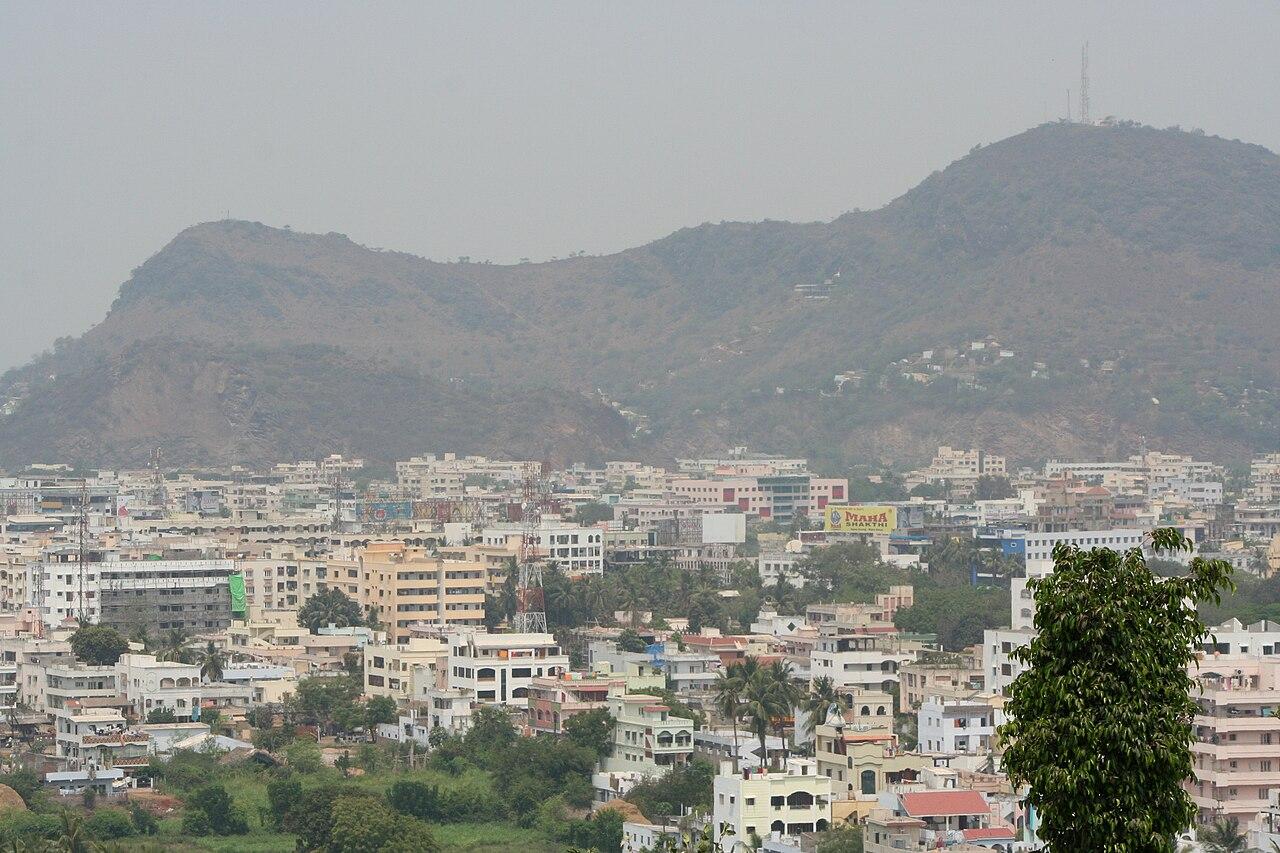
Selling a property in Vijayawada has become more straightforward than many owners realise — provided you understand the local market, avoid the common pitfalls of broker dependency, and know how to reach genuine buyers. This guide walks Vijayawada property owners through every stage of the sale process in 2026, from pricing and documentation to closing the deal without paying a rupee in brokerage until the property actually sells.
Understanding the Vijayawada Property Market in 2026
Vijayawada sits at the heart of Andhra Pradesh's growth story. With Amaravati, the proposed state capital, located just a short drive away, the broader Krishna district has attracted infrastructure investment that has directly affected real estate sentiment in areas like Benz Circle, Moghalrajpuram, Patamata, and Tadepalli. Residential demand is steady, driven by government employees, IT professionals working in the city's growing tech corridor, and families upgrading from older construction.
Plots and independent houses in localities such as Vijayawada Rural and Auto Nagar continue to attract buyers looking for affordable land, while apartments in gated communities near National Highway 16 command a premium. Before listing, spend time researching recent sale registrations in your micro-market — the Andhra Pradesh Registration Department's IGRS portal provides registered transaction data that gives you a realistic anchor for pricing rather than relying solely on broker estimates, which can be inflated to justify their commission.
Getting Your Documents in Order Before You List
A clean title is the single biggest factor that speeds up a sale in Vijayawada. Buyers and their banks will scrutinise your documents carefully, and any gap creates negotiation leverage for the buyer to reduce the price. Assemble the following before you start marketing:
- Title deed and chain of title: If the property has changed hands, ensure each transfer is registered and encumbrance-free. Obtain an Encumbrance Certificate (EC) from the Sub-Registrar's office for at least 13 years.
- GHMC/VUDA approved building plan: For independent houses and apartments, the sanctioned plan confirms that construction is authorised. Buyers taking home loans cannot proceed without this.
- Khata and property tax receipts: Ensure property tax is paid up to date. Arrears become a sticking point at registration.
- NOC from society or layout authority: Relevant for apartments or plots in approved layouts.
- Original purchase deed and any loan closure letter: If you had a home loan, the bank's NOC confirming full repayment is essential.
Having these ready upfront signals seriousness to buyers and banks alike, and dramatically reduces the time between agreement and registration.
Pricing Your Property Correctly Without Overreaching
Overpricing is the most common reason properties in Vijayawada sit unsold for months. Sellers often add a buffer expecting negotiation, but if the asking price is too far from market reality, serious buyers simply skip the listing. A few practical steps help you arrive at a defensible price:
- Check recent IGRS-registered sale deeds in your locality for comparable properties — these are public records and reflect actual transaction values, not listing prices.
- Factor in the age and condition of the structure honestly. A 20-year-old independent house will not fetch the same per-square-foot rate as a new apartment with amenities, even in the same area.
- Account for ground floor versus upper floors, road-facing versus interior plots, and proximity to schools, hospitals, and public transport — all of which materially affect buyer willingness to pay in Vijayawada's micro-markets.
- Leave a reasonable negotiation window — 3% to 5% is typical — rather than an unrealistic 20% buffer that wastes everyone's time.
Why Selling Without a Broker Is Increasingly Viable
The traditional argument for using a broker was access to buyers. In 2026, that barrier has largely disappeared. Digital platforms, WhatsApp groups, and property portals mean that a well-presented listing reaches more potential buyers than a single broker's contacts. What sellers lose when they skip traditional brokers is the coordination work — arranging visits, screening buyer intent, and following up. That coordination gap is exactly where platforms like BookPropertyVisit step in.
When you list your property for free on BookPropertyVisit, there is no upfront listing fee and no brokerage payable until your property sells. The platform brings verified, genuine buyers and arranges accompanied site visits, so you are not spending your weekends showing your property to unqualified inquiries. For owners in Vijayawada — many of whom are working professionals or NRIs with property inherited in the city — this model removes the friction that makes broker dependency feel necessary.
To understand the full process, visit the page on selling property in Vijayawada or read more about how selling works on BookPropertyVisit.
Tax Implications for Vijayawada Property Sellers in 2026
Capital gains tax is an area where many sellers in Vijayawada are caught off guard. Here is a plain-language summary of what applies — always confirm specifics with a qualified Chartered Accountant, as rules and indexation benefits can change:
- Long-term vs short-term: If you have held the property for more than 24 months, any gain is treated as Long-Term Capital Gain (LTCG). Shorter holding periods attract Short-Term Capital Gain (STCG) taxed at your slab rate.
- Indexation: Indexation adjusts your cost of acquisition for inflation. However, rules around indexation have seen recent changes — verify the current position for your specific transaction with a CA before filing.
- TDS under Section 194-IA: If the sale consideration is ₹50 lakh or more and you are a resident seller, the buyer must deduct TDS at 1% before paying you. Ensure this is reflected in Form 26QB.
- Exemptions: Under Section 54, LTCG from selling a residential property can be reinvested in another residential property (within specified timelines) to claim exemption. Section 54EC allows reinvestment in specified capital-gains bonds (up to ₹50 lakh). Consult a CA to determine the deadline applicable to your transaction.
- NRI sellers: If you are an NRI selling property in Vijayawada, TDS is deducted at LTCG rates (approximately 12.5% to 20% plus applicable surcharge and cess) by the buyer. Obtaining a lower-deduction certificate via Form 13 from the Income Tax Department before the transaction can significantly reduce this withholding. Take professional advice early.
Negotiating and Closing the Sale
Once a serious buyer has visited the property and expressed intent, the process moves through a few standard stages. An Agreement to Sell (also called a sale agreement) is signed, typically with a token advance of 10% to 20% of the agreed price. This agreement spells out the timeline for full payment and registration. Ensure you include clear clauses about what happens if either party backs out — forfeiture of advance by the buyer or return of double the advance by the seller are standard protections.
Registration takes place at the Sub-Registrar's office in Vijayawada. Both parties must be present (or represented by a registered Power of Attorney holder). Stamp duty in Andhra Pradesh and the applicable registration charges are payable at this stage — confirm the current rates with a local advocate, as they are set by the state government and can be revised. Once the sale deed is registered, the property legally transfers to the buyer.
Do I need a broker to sell property in Vijayawada?
No. A broker is not legally required to complete a property sale in India. You can find buyers through online listings, referrals, and platforms that connect you with verified buyers directly. The key is ensuring that your documentation is complete and that site visits are well-coordinated. BookPropertyVisit handles the buyer-coordination side for free upfront, charging only after a successful sale.
How long does it typically take to sell a property in Vijayawada?
The timeline varies by property type, locality, and pricing. Well-priced apartments in Benz Circle or Patamata with clean documentation can see an offer within 4 to 8 weeks in a normal market. Independent houses or plots in developing areas may take longer. Overpricing is the most common cause of extended unsold periods — periodic price reviews are advisable if you are not receiving serious inquiries after 6 to 8 weeks.
What is the stamp duty for property registration in Vijayawada in 2026?
Stamp duty and registration charges in Andhra Pradesh are set by the state government and can be revised. As of 2026, confirm the current applicable rates with a local advocate or the Sub-Registrar's office before your transaction, as acting on outdated information can create complications at registration.
Can an NRI sell property in Vijayawada without visiting India?
Yes, an NRI can appoint a trusted representative in India through a registered Power of Attorney (PoA) to execute the sale on their behalf. The PoA must be notarised and, in most cases, attested by the Indian Embassy or Consulate in the country of residence, then adjudicated in India. Engage a local advocate familiar with NRI property transactions and ensure TDS compliance before the transaction closes, including considering a Form 13 application if the TDS withholding would be disproportionate.
If you own a property in Vijayawada and are ready to sell, the smartest first step is to list your property for free on BookPropertyVisit. There is no cost to list, no broker commission until your property sells, and the platform arranges verified, accompanied site visits so you meet only genuine buyers. Reach out at info@mexilet.com or call +91 7025892205 to learn more about how the process works.
Thinking of selling your property?
Free listing · 0% brokerage · pay only when it sells