
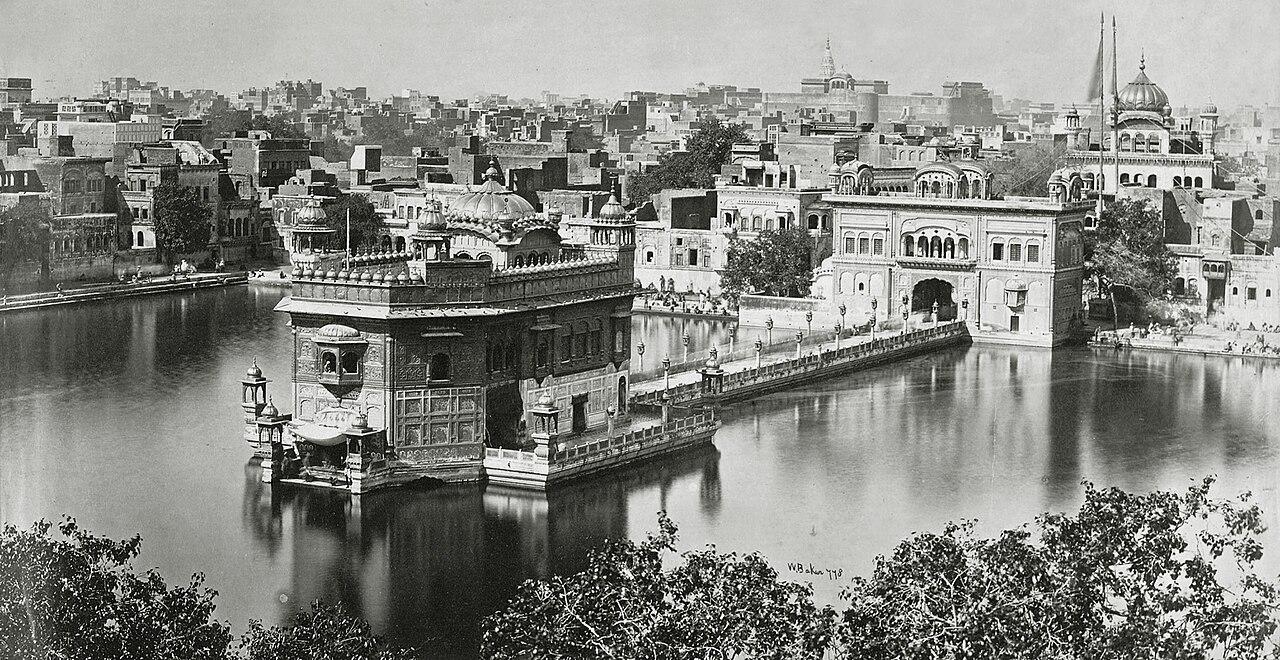
Amritsar has one of Punjab's most NRI-driven property markets. Families in Canada, the UK, the US and Australia own kothis, builder floors, plots and shops across Ranjit Avenue, Green Avenue, Basant Avenue, Lawrence Road, Mall Road, White Avenue and Majitha Road, and many of them are now selling — often from abroad. Local demand from business families and professionals is steady, and newer townships along the Airport Road, the GT Road bypass and the Amritsar–Jalandhar highway have added supply. This guide covers what a seller needs in 2026: pricing against collector rates, documents, Punjab stamp duty and registration, taxes (including NRI TDS) and reaching genuine buyers without paying brokerage upfront.
What Is Driving Property Demand in Amritsar in 2026
Three streams. NRIs buying homes for family use or as a base in the city — Ranjit Avenue and Green Avenue are the favourites; local business families and professionals upgrading to builder floors and villas in newer townships on the Airport Road and bypass; and investors in commercial and hospitality property near the Golden Temple, Lawrence Road and Mall Road. Better air links from Sri Guru Ram Dass Jee airport, the highway network and the city's trade and tourism economy support all three.
The best-selling segments are kothis on 250–500 sq yd plots in the Avenues, builder floors in approved colonies, and plots in Improvement Trust or PUDA-approved schemes. Properties in unapproved colonies, or with unclear NOCs, sell slowly.
How to Price Your Amritsar Property Accurately
Punjab charges stamp duty on the higher of the collector rate and the sale price, so the collector rate is your floor. In the Avenues, market prices sit well above it. To price well:
- Compare recent registered sales of similar kothis, floors or plots in the same colony;
- Adjust for plot size and frontage, road width, corner/park-facing, and — importantly — whether the colony is Improvement Trust / PUDA / GLADA-approved;
- For builder floors, adjust for floor level, roof rights, parking and construction quality;
- For commercial property, price on rental yield.
Documents Every Amritsar Seller Must Prepare
- Registered sale deed / allotment and possession letters, prior deeds and the fard (jamabandi) or Improvement Trust/PUDA records showing ownership in your name; mutation (intkal) completed;
- Non-encumbrance certificate from the Sub-Registrar / revenue office;
- NOC from the Improvement Trust / PUDA / GLADA where the plot was allotted by them, and the colony's approval status;
- Building-plan sanction and completion certificate for the structure; house-tax and water/sewerage receipts from the Municipal Corporation; electricity dues cleared;
- ID and PAN of all owners; for inherited property, the succession document and all heirs' consent;
- NRI sellers: a power of attorney executed before the Indian consulate abroad and adjudicated in Punjab, if you cannot attend registration; note that Punjab requires the POA holder and executant details to be properly recorded — get local legal help.
Taxes When Selling Property in Amritsar
Gains on property held over 24 months are long-term: 12.5% without indexation, or 20% with indexation for property acquired before 23 July 2024 (residents may choose). Section 54 and 54EC exemptions apply. The buyer deducts 1% TDS on resident sales of ₹50 lakh and above. For NRI sellers, the buyer must deduct TDS under Section 195 on the entire sale value at the LTCG rate plus surcharge and cess unless you obtain a lower-deduction certificate — this is the single most important step for an NRI seller in Amritsar. Proceeds go to your NRO account; repatriation up to USD 1 million per financial year with Form 15CA/CB. Check your home-country reporting (Canada, UK, US, Australia) with a tax adviser.
Reaching Buyers Without Paying a Broker
Selling from Canada or the UK through a relative and a local property dealer is slow and opaque. A platform that lists your property free, markets it to local buyers and to the Punjabi NRI community abroad, verifies each buyer's intent and budget, conducts the site visits and reports back to you closes faster and with fewer surprises. BookPropertyVisit's Amritsar seller service works on that list-free, pay-only-after-it-sells model. A video walkthrough is essential — NRI buyers decide from video whether to fly in.
Registration and Stamp Duty in Punjab
Punjab's stamp duty is around 7% for men (including the social-infrastructure and other cesses) and 5% for women, on the higher of the collector rate and the sale price, plus a registration fee of 1% (subject to a cap). It is paid by the buyer. Registration is at the Sub-Registrar / Joint Sub-Registrar office for the property's area; both parties or their POA holders attend with ID, PAN, photographs and two witnesses. Rates change in state budgets — confirm current figures at sale time.
I live in Canada. Can I sell my Amritsar kothi without travelling?
Yes. Marketing, screening and visits can be handled for you, and the sale deed can be executed through a properly attested and adjudicated POA. Arrange the POA, the lower-TDS certificate and your NRO account first.
How long does it take to sell in Ranjit Avenue or Green Avenue?
Correctly priced kothis and floors typically sell in two to four months, with peak interest in winter when NRIs visit.
Do I need an Improvement Trust NOC to sell?
If the plot was allotted by the Improvement Trust or PUDA, yes — buyers and banks will insist on it.
Is stamp duty on the collector rate or the sale price?
On whichever is higher.
Ready to sell in Amritsar? List your property for free on BookPropertyVisit — no brokerage, no upfront fees, pay only after the sale closes — or see the Amritsar seller page. Contact info@mexilet.com or +91 7025892205.
Thinking of selling your property?
Free listing · 0% brokerage · pay only when it sells