
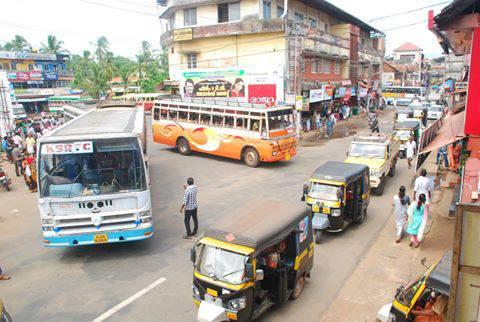
Kasaragod is Kerala's northernmost district and one of its most NRI-driven property markets. A large share of families here work in the UAE, Saudi Arabia, Qatar and Oman, and the district's towns — Kasaragod, Kanhangad, Nileshwar, Uppala, Manjeshwar, Cheruvathur and Kumbla — have grown on remittance-built homes. Kasaragod also looks two ways: south to Kannur and north to Mangalore, whose buyers and prices influence the Manjeshwar–Uppala belt. Whether you own a house in Kanhangad, a plot on NH-66, a villa near Bekal or family land inland, this guide covers pricing, documents, Kerala's stamp duty rules, taxes and how to reach genuine buyers without paying brokerage upfront.
What Is Driving Property Demand in Kasaragod in 2026
Gulf remittances remain the biggest driver: NRI families buy plots to build on and ready houses near their home towns, with Kanhangad, Nileshwar and Kasaragod town seeing the most activity. The Central University of Kerala at Periye and healthcare growth in Kanhangad bring faculty, doctors and staff. Bekal's tourism belt supports a smaller market for resort plots and holiday homes. In the north, Manjeshwar, Uppala and Kumbla attract Mangalore-linked buyers who want Kerala addresses at lower prices than Mangalore's suburbs.
The best-selling segments are 5–15 cent house plots on tarred roads, ready houses in good condition in the towns, and villa units in newer projects around Kanhangad and Kasaragod. Interior land without vehicle access, and large plantations, sell slowly.
How to Price Your Kasaragod Property Accurately
Check the fair value for your survey number on the Kerala Registration Department portal — the floor for stamp duty — then look at recent sales on the same road. Price drivers in Kasaragod:
- Distance to NH-66, the railway station and the town centre;
- Road width and vehicle access;
- Dry land versus converted paddy or wetland (conversion order needed);
- Water — well yield and whether there is a borewell; laterite areas can be dry in summer;
- For houses, structure quality, age and completion certificate; over-built NRI houses are usually valued on land plus a discounted structure.
Documents Every Kasaragod Seller Must Prepare
- Title deed (aadharam) and prior deeds; encumbrance certificate for 13–30 years;
- Land-tax receipt, thandaper extract, possession certificate and location sketch from the village office;
- Paddy/wetland conversion order where applicable;
- Building permit, completion certificate and building-tax receipt from the panchayat or municipality;
- ID and PAN of all owners; legal-heir certificate and consent of all heirs for inherited property;
- Kasaragod-specific note: for older properties near the Karnataka border, confirm the survey and village records match the deed — mismatches in old Kannada/Malayalam records do occur and buyers' lawyers will check;
- NRI sellers: a consulate-executed, Kerala-adjudicated power of attorney if you cannot attend registration.
Taxes When Selling Property in Kasaragod
Gains on property held more than 24 months are long-term: 12.5% without indexation under current rules, or 20% with indexation for property bought before 23 July 2024 (residents may pick the lower). Section 54 and 54EC exemptions apply. The buyer deducts 1% TDS on resident sales of ₹50 lakh and above; NRI sellers face TDS under Section 195 on the entire sale value at the LTCG rate plus surcharge and cess unless a lower-deduction certificate is obtained — apply early. Proceeds go to an NRO account; repatriation up to USD 1 million per financial year with Form 15CA/CB.
Reaching Buyers Without Paying a Broker
Kasaragod's buyer pool is split between local families, Gulf NRIs and Mangalore-side buyers, and a local broker's phone network rarely reaches all three. A platform that lists your property free, markets to Malayali NRIs across the Gulf and to Karnataka-side buyers, verifies each enquiry and conducts the site visits for you — reporting back if you are abroad — closes faster with fewer wasted visits. BookPropertyVisit's Kasaragod seller service runs on exactly that model, and you pay only a small success fee after the sale. Shoot a video walkthrough — for Gulf buyers it decides whether they fly home to see the property.
Registration and Stamp Duty in Kerala
Kerala levies 8% stamp duty and 2% registration fee — 10% total on the higher of the sale price and fair value, paid by the buyer. Registration is at the Sub-Registrar's office for the location (Kasaragod, Kanhangad, Hosdurg, Nileshwar, Manjeshwar, Kumbla, Uppala and others). Both parties or their POA holders attend with ID, PAN and two witnesses.
Can I sell my Kasaragod house from the Gulf?
Yes. Marketing, screening and site visits can be handled for you, and the deed can be executed through a registered power of attorney. Arrange the POA, the lower-TDS certificate and your NRO account before agreeing a price.
Do Mangalore buyers really buy in Kasaragod?
Yes, especially in Manjeshwar, Uppala, Kumbla and Kasaragod town, where prices are lower than Mangalore's suburbs and the commute is short. Market to that pool if your property is in the north of the district.
How long does it take to sell a plot in Kanhangad or Nileshwar?
Road-facing plots on tarred roads near the towns usually sell within two to four months at a realistic price. Interior plots take longer.
Is stamp duty charged on the fair value or my sale price?
On whichever is higher — 10% in total.
Ready to sell in Kasaragod? List your property for free on BookPropertyVisit — no brokerage, no upfront fees, pay only after the sale closes — or see the Kasaragod seller page. Contact info@mexilet.com or +91 7025892205.
Thinking of selling your property?
Free listing · 0% brokerage · pay only when it sells