
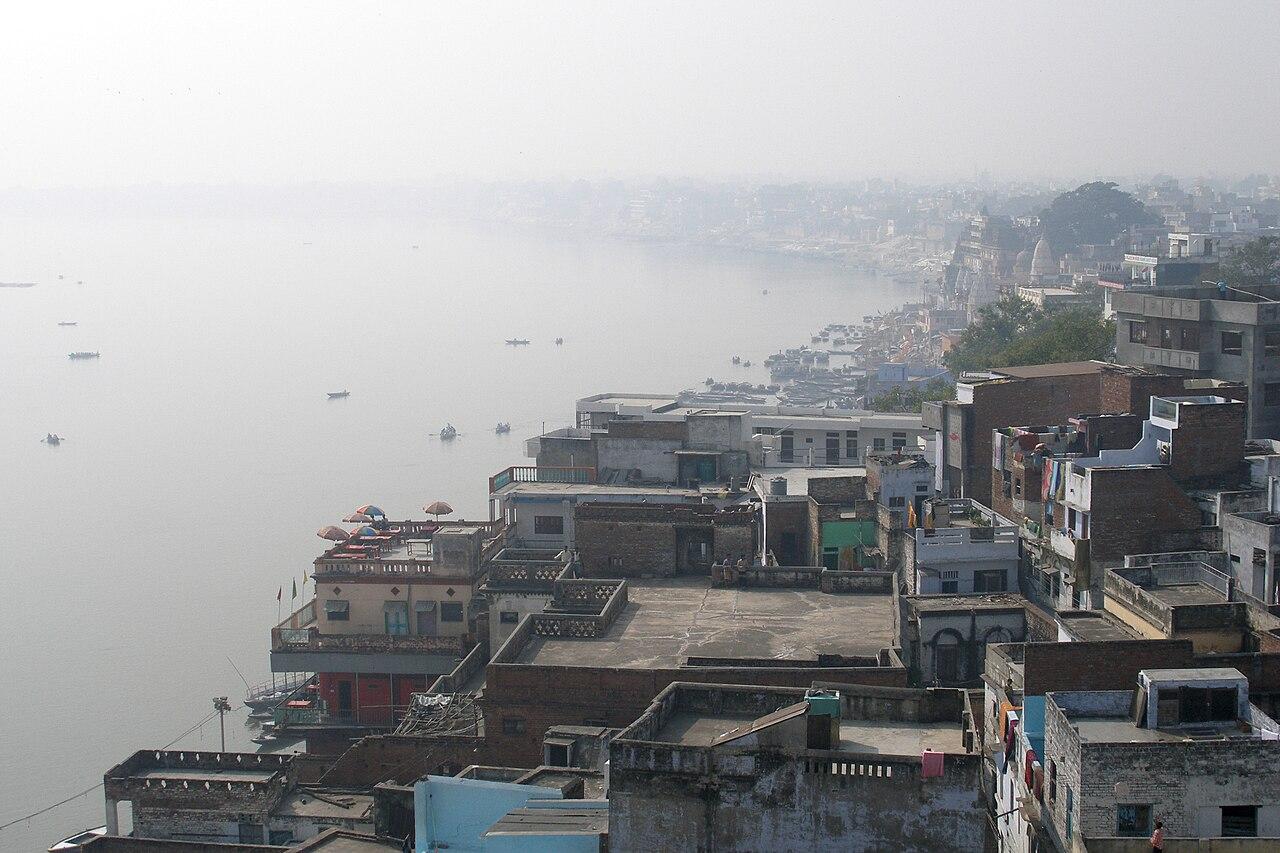
Varanasi's property market has changed noticeably in the last few years — new highways, the Ring Road, the airport upgrade, the Kashi Vishwanath corridor and steady pilgrim and healthcare-led demand have brought new buyers into a city where property was mostly inherited and rarely sold. If you own an ancestral house in Bhelupur or Durgakund, a flat in Sigra or Mahmoorganj, a plot near Sarnath or along the Ring Road, or a shop in the old city, this guide explains how to sell it well in 2026: pricing, documents (especially for inherited property), Uttar Pradesh stamp duty and registration, taxes and reaching genuine buyers without paying brokerage upfront.
What Is Driving Property Demand in Varanasi in 2026
Demand comes from three groups. Local families and business owners upgrading from old-city homes to Sigra, Mahmoorganj, Sunderpur and the Ring Road colonies; doctors, faculty and professionals around BHU and the hospital cluster in Lanka, Sunderpur and Nagwa; and NRIs and out-of-city buyers with roots in Kashi who want a home in the city. Sarnath and the Babatpur airport road draw investors in plotted colonies; Ramnagar and the trans-Ganga side are growing with the new bridges and bypasses.
The best-selling segments are 2–3 BHK flats in Sigra, Mahmoorganj and Sunderpur, independent houses on 100–250 sq yd in planned colonies, and VDA-approved plots on the Ring Road and airport road. Old-city houses with shared walls, disputed shares or no vehicle access sell slowly.
How to Price Your Varanasi Property Accurately
Uttar Pradesh charges stamp duty on the higher of the DM circle rate value and the sale price, so the circle rate is your floor. In Sigra, Mahmoorganj and Lanka, market prices sit well above it. To price well:
- Compare recent registered sales of similar flats or plots in the same colony;
- Adjust for road width and vehicle access (a huge factor in Varanasi), corner or park-facing position, and — for old properties — structural condition;
- Check whether the plot is in a Varanasi Development Authority (VDA)-approved layout; unapproved colonies trade at a discount;
- For flats, adjust for floor, lift, parking, age and RERA status of the project.
Documents Every Varanasi Seller Must Prepare
- Registered sale deed and prior deeds; for ancestral property, the succession or legal-heir document and consent (or a registered partition/relinquishment) from every co-heir — this is where most Varanasi sales stall;
- Mutation (dakhil-kharij) in Nagar Nigam / VDA records in your name;
- Search report / encumbrance for 12–13 years from the Sub-Registrar;
- VDA layout and building-plan sanction for the colony and structure;
- House-tax and water-tax receipts; electricity dues cleared;
- For flats: society/RWA NOC, occupancy certificate, maintenance receipts, UP-RERA details for newer projects;
- ID and PAN of all owners; NRI sellers: registered or consulate-executed power of attorney if not attending registration.
Taxes When Selling Property in Varanasi
Gains on property held over 24 months are long-term: 12.5% without indexation, or 20% with indexation for property acquired before 23 July 2024 (residents may choose). For inherited property, the holding period and cost are taken from the original owner, so most ancestral sales are long-term. Section 54 and 54EC exemptions apply. The buyer deducts 1% TDS on resident sales of ₹50 lakh and above; NRI sellers face TDS under Section 195 on the full sale value unless a lower-deduction certificate is obtained — apply early.
Reaching Buyers Without Paying a Broker
Varanasi's brokers work by word of mouth and typically charge 1–2% from each side; the result is many casual visits and few offers, and for a family selling ancestral property, endless coordination. A platform that lists your property free, verifies each buyer's intent and budget, conducts the site visits and reports back — so no family member has to host every viewing — is more efficient. BookPropertyVisit's Varanasi seller service runs on that list-free, pay-only-after-it-sells model and markets to local professionals and NRIs with Kashi roots. Photograph the access lane and parking honestly — it is the first question every buyer asks.
Registration and Stamp Duty in Uttar Pradesh
Uttar Pradesh charges 7% stamp duty on the higher of the circle-rate value and the sale price (with a limited concession for women buyers) plus a 1% registration fee, paid by the buyer. Registration is at the Sub-Registrar's office for the property's circle; both parties or POA holders attend with ID, PAN, photographs and two witnesses. Rates change in state budgets — confirm current figures at sale time.
My ancestral house has several heirs. Can we sell?
Yes, but every co-heir must sign the sale deed or grant a POA, and the buyer will want the legal-heir document and, ideally, a registered partition or relinquishment deed. Settle this before you list.
How long does it take to sell a flat in Sigra or Mahmoorganj?
Correctly priced flats in those areas typically sell in two to four months. Old-city houses with access or title issues take much longer.
Do NRIs buy property in Varanasi?
Yes — many families with Kashi roots living abroad buy a home in the city, and video walkthroughs and remote viewings help close them.
Is stamp duty on the circle rate or the sale price?
On whichever is higher.
Ready to sell in Varanasi? List your property for free on BookPropertyVisit — no brokerage, no upfront fees, pay only after the sale closes — or see the Varanasi seller page. Contact info@mexilet.com or +91 7025892205.
Thinking of selling your property?
Free listing · 0% brokerage · pay only when it sells