
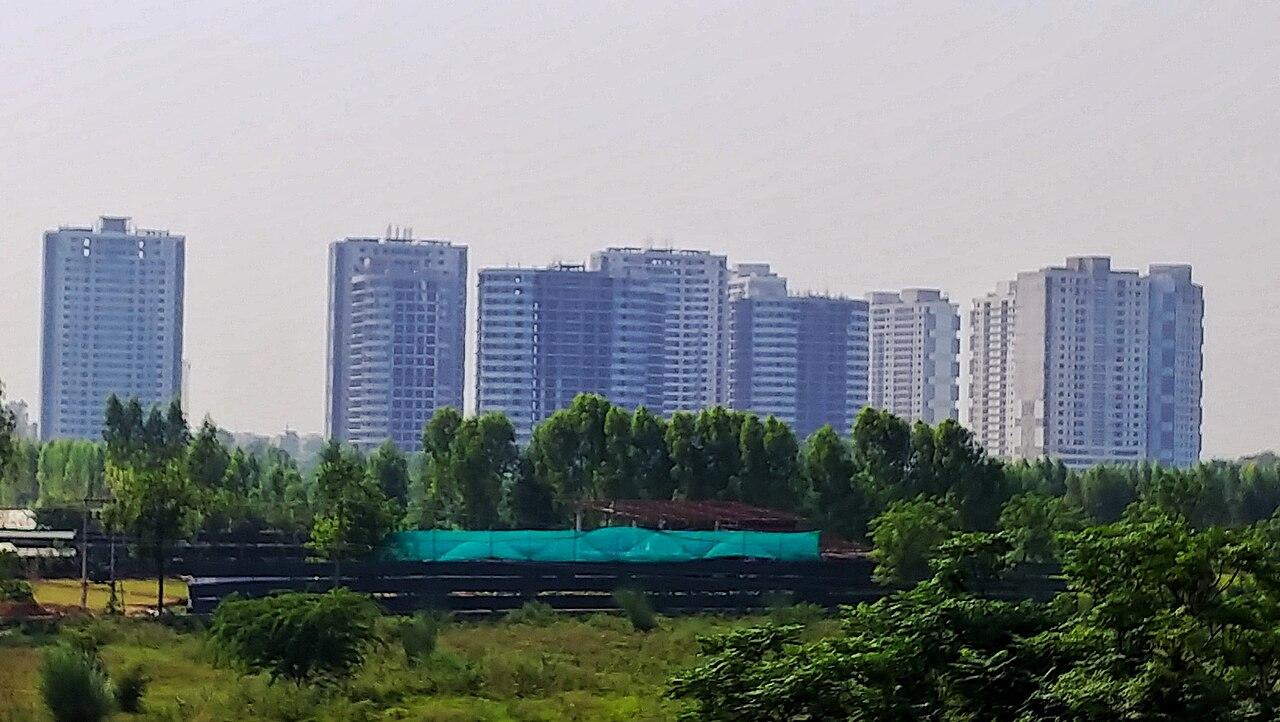
Chandigarh — the Union Territory that serves as the shared capital of Punjab and Haryana — holds a distinct place in Indian real estate. Its sector-based grid, high quality of civic life and proximity to Delhi make it one of the most consistently stable property markets in North India. If you own property in Chandigarh or in the surrounding tricity region of Panchkula and Mohali, and are preparing to sell in 2026, this step-by-step guide will help you navigate the process efficiently — from evaluating your property's market position to understanding the legal and tax landscape.
What Makes Chandigarh's Property Market Unique for Sellers
Chandigarh's planned layout — Le Corbusier's sector grid — means buyers are highly specific about location. Sector numbers, proximity to the shopping districts in Sector 17 and 22, access to PGI Hospital or the education institutions in Sectors 10-16, and the difference between a corner plot in Sector 8 versus Sector 44 all carry meaning that is deeply understood by local buyers. As a seller, you need to position your property within this local language, not just by city or area.
Demand in Chandigarh proper is historically constrained by supply — the city's zoning controls limit new construction. This tends to keep prices more resilient here than in comparable-size cities. Resale of independent kothi plots and built properties in Chandigarh's sectors commands a premium, as does proximity to amenities and sector-specific reputation. Mohali's sectors and aerocity zones attract a different buyer profile — IT professionals, investors and buyers priced out of Chandigarh proper. Panchkula serves families wanting slightly more space at a lower entry price.
Understanding which buyer segment your property targets will help you focus your outreach and set a price that attracts offers quickly.
Building a Complete Document File Before You List
Documentation in Chandigarh has its own specific requirements depending on whether your property falls under the Chandigarh Estate Office (CHBS, Government allotted), the Housing Board of Chandigarh, or a private developer. Identify which authority originally allotted or registered your property, and ensure your documents from that authority are in order.
- Allotment letter and possession certificate: For government-allotted properties, the original allotment letter and possession certificate are foundational documents; they cannot be replaced easily.
- Sale deed / conveyance deed: The registered deed showing transfer of ownership to you. If you purchased from a private seller, ensure the deed is registered at the Sub-Registrar's office in Chandigarh.
- NOC from Chandigarh Estate Office: For properties under the Chandigarh Estate Office, an NOC is typically required for transfer. This takes time — start this process early.
- Property tax clearance: Current receipts from the Municipal Corporation of Chandigarh (MCC) showing no outstanding dues.
- Encumbrance certificate: Confirms the property is free of any mortgage or legal charge.
- Completion / occupancy certificate: For any constructed unit, this certifies the building was completed as per approved plans.
- Society NOC: If your apartment is in a private housing society in Mohali or Panchkula, an NOC from the RWA is standard.
Missing any of these documents can cause a deal to collapse at the last moment. Many buyers in Chandigarh — particularly those using home loans — have been burned by documentation gaps in the past, so they are thorough and expect complete paperwork before signing any agreement.
Pricing Strategy for Chandigarh Sellers in 2026
Chandigarh's property pricing is well-documented compared to smaller cities — there are active portal listings, regular media coverage and a relatively transparent registration data trail. Use registered transaction data for comparable properties from the past 12 months as your primary anchor, then adjust for your property's specific attributes.
Factors that increase your property's value in Chandigarh:
- Lower-numbered sectors (generally considered more prestigious) in Chandigarh proper.
- Corner plots — these carry a meaningful premium over mid-row plots of the same marla size.
- Good floor and facing in apartment buildings, particularly in sectors with established social infrastructure.
- Recently renovated interiors with modern kitchen and bathrooms.
- Proximity to schools, hospitals (particularly PGI for certain sectors), and markets.
Be realistic about time. If you need to sell within 60–90 days, price for the market. If you have the luxury of waiting, you can test the upper range of comparable values — but track response carefully; no serious inquiries within 3–4 weeks is a clear pricing signal.
Reaching Serious Buyers Without Broker Hassle
The tricity area has many active property brokers. While some are knowledgeable and professional, others add friction — inflating prices to buyers, giving sellers unrealistic expectations, or delaying deals while pursuing their own fee interests. Owners who sell directly to verified buyers cut through this noise and keep full control of their transaction.
The challenge with direct selling has traditionally been reach and buyer quality. Selling property in Chandigarh through BookPropertyVisit addresses this directly. The platform verifies buyer intent and financial seriousness before arranging a site visit. As the seller, you deal only with people who are genuinely in a position to buy. And the cost structure is simple: you pay nothing until the sale completes. No listing fees, no upfront commissions.
Start by clicking list your property for free and sharing your property details. For a full overview of the process, how selling works on BookPropertyVisit lays it out clearly.
Tax and Capital Gains: What You Need to Know Before Selling
Capital gains on property sale are a central tax consideration for any Chandigarh seller. The rules are the same across India, but the amounts involved in Chandigarh's property market — which can easily exceed ₹1 crore for independent houses — make the tax planning especially significant.
- Long-term versus short-term: Properties held more than 24 months are long-term assets. The resulting gain is LTCG; held 24 months or less, the gain is STCG and added to regular income.
- TDS under Section 194-IA: For any property sale of ₹50 lakh or more, the buyer deducts 1% TDS and deposits it with the government. You receive Form 16B as proof. This is automatic and mandatory on the buyer's part; ensure they follow through.
- LTCG calculation: The Union Budget 2024 changed indexation rules for property. There are now options available in some scenarios — the applicable path depends on when you purchased the property. A chartered accountant familiar with property transactions will help you compute the net tax correctly and choose the most favourable option where a choice exists.
- Section 54 exemption: If you invest the long-term capital gains in a new residential property within the prescribed timeline (one year before or two years after sale for purchase; three years for construction), you can claim exemption on the gains. Conditions apply, including a cap on the value of the new property eligible for exemption.
- Section 54EC bonds: An alternative exemption route where you invest in specified capital-gains bonds — current annual investment cap applies. Confirm the limit and issuing institutions with a CA.
- NRI considerations: NRI sellers face higher TDS rates — approximately 12.5% to 20% on gains plus surcharge and cess. The process of reclaiming excess TDS through an income-tax return takes time. A better approach is to apply for a lower-deduction certificate (Form 13) before the sale closes. NRIs should engage a CA early in the selling process.
How do I find out the circle rate for my property in Chandigarh?
Circle rates in Chandigarh are set by the Administration (not by state governments, since it is a Union Territory). They are periodically revised and vary by sector and property type. The current circle rates are available from the Sub-Registrar's office in Chandigarh or through the official property registration portal. If the agreed sale price is above the circle rate, stamp duty is paid on the agreed price. If you agree to sell below the circle rate, stamp duty is still paid on the circle rate. It is wise to check both the current circle rate and recent comparable transaction values before settling on your asking price.
Can I sell a property in Chandigarh that is held jointly with my spouse or family member?
Yes. Joint property can be sold with the consent and signature of all co-owners. All joint owners must be present at the time of signing the sale agreement and at the Sub-Registrar's office for registration. If any co-owner is unable to attend in person, they can authorise another person via a registered Power of Attorney. Each co-owner will need to account for their share of capital gains independently in their respective income-tax returns. If the co-owners disagree about selling, the property cannot be sold without resolving that dispute, often through legal partition proceedings.
What is the process for transferring ownership of a Chandigarh Estate Office property?
For properties originally allotted by the Chandigarh Estate Office (CEO), the transfer process involves obtaining a No Objection Certificate from the CEO before the sale deed can be registered. The buyer typically applies for this after the sale agreement is signed. The CEO verifies that there are no dues, no encumbrances and that all lease conditions have been complied with, before issuing the NOC. This step adds time — sometimes several weeks — to the closing process. Plan for this in your timeline and start the NOC process as soon as you have a committed buyer with a signed agreement and advance paid.
Is it advisable to sell now or wait for prices to improve further?
Market timing in real estate is difficult to predict reliably. Chandigarh's property market has historically been resilient and appreciating, but individual property performance depends heavily on micro-location, property condition and how well it is priced. The correct question is usually not "will the market go up?" but "do I have a specific use for the capital from this sale, and is the opportunity cost of waiting worth it?" If you have a reinvestment plan, a tax planning window (e.g., approaching the Section 54 reinvestment deadline), or a personal financial need, those reasons typically matter more than speculating on market direction. A financial advisor can help assess your individual situation.
Chandigarh's sellers who move decisively with correct pricing and clean documents close the fastest and at the best prices. If you are ready to sell or simply want to test buyer response without committing to a broker fee upfront, list your property for free on BookPropertyVisit. You pay nothing until the deal is done; every visit is with a verified, interested buyer. Contact info@mexilet.com or call +91 7025892205 with any questions about the process.
Thinking of selling your property?
Free listing · 0% brokerage · pay only when it sells