
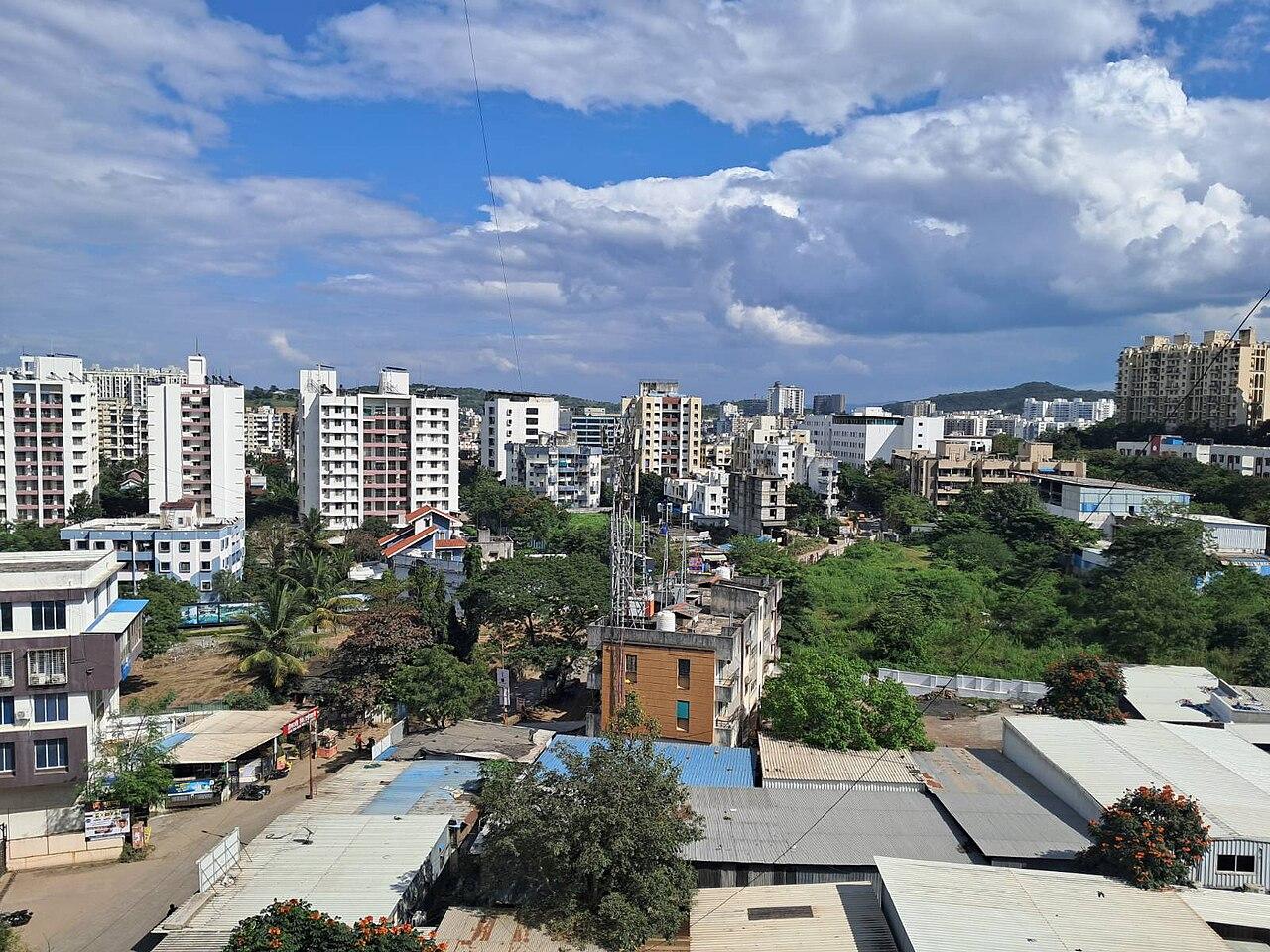
Pune's property market in 2026 is driven by a diverse base of buyers — IT professionals, defence and government employees, NRIs returning home and retirees from Mumbai seeking a quieter pace. If you own property in Pune and are considering selling this year, you have an active market to work with. This step-by-step guide is written for owners in Pune — whether you have a flat in Kothrud, a row house in Baner, a plot in Undri or a unit in Hinjewadi — who want to sell in 2026 without overpaying brokers or making avoidable mistakes.
Step 1 — Understand Pune's Current Market Before You Price
Pune is a collection of distinct sub-markets. Broad categorisations:
- West Pune (Baner, Balewadi, Pashan, Aundh): Premium demand from IT and tech professionals. Well-maintained 2 BHK and 3 BHK flats move quickly when priced sensibly.
- East Pune (Kharadi, Wagholi, Hadapsar, Viman Nagar): High supply, competitive market. Resale sellers compete directly with new developer inventory — pricing discipline matters more here.
- Central Pune (Kothrud, Karve Nagar, Erandwane): Established localities with strong end-user demand; older buildings but commanding premiums for location.
- South Pune (Undri, Kondhwa, Katraj): Fastest-growing in new supply; resale demand is solid for buyers seeking larger homes at lower price points.
- PCMC (Pimpri, Chinchwad, Akurdi): Industrial and defence-adjacent demand with accessible price points.
Use the IGR Maharashtra portal to check actual registered sale prices in your specific locality over the last six months — not just portal asking prices. For a tailored starting point, review the experience of selling property in Pune.
Step 2 — Get Your Documentation Airtight
Documentation gaps are the primary reason Pune deals collapse after both parties have agreed on price. The checklist for a standard apartment:
- Title chain: All previous sale deeds or registered agreements going back two to three owners. For builder allotments, include the original allotment letter and builder-buyer agreement.
- 7/12 or property card: Within PMC limits, the property card (CTS extract from the City Survey office) establishes land ownership. For properties outside PMC limits in Pune district, the 7/12 extract from the talathi is relevant. Confirm the mutation is in your name.
- Occupancy Certificate: Confirms the building was constructed per approved plans and is fit for occupation. Some older Pune buildings lack a formal OC due to regularisation history — know your building's status before a buyer discovers it during due diligence.
- Society documents: Share certificate, NOC for membership transfer, maintenance clearance and society registration certificate.
- Property tax: PMC (or PCMC) receipts up to date, with no arrears. Outstanding tax must be cleared before registration.
- Loan closure: If you have repaid a home loan, have the bank's closure letter and original document release confirmation ready.
A local property lawyer can review this document set in a few hours and flag anything missing — that is money well spent before you start negotiating with buyers.
Step 3 — List and Market Your Property the Right Way
A good Pune listing needs three things: accurate carpet area (buyers and their banks both focus on carpet area, not built-up or super built-up), honest disclosure of the property's condition and good photographs. Take photographs between 9 AM and 11 AM with curtains open, rooms tidy, and the balcony visible. If your society has a well-maintained garden or clubhouse, include one exterior shot.
When you list your property for free on BookPropertyVisit, your property is visible to verified, screened buyers with no upfront listing fee and no commission until the sale closes. Compared to the broker channel — where 1-2% of sale value is paid regardless of broker performance — this model eliminates financial risk entirely for the seller. For a walkthrough of the complete process, see how selling works on BookPropertyVisit.
Step 4 — Handle Site Visits Efficiently
One underestimated cost of selling is time: opening your home to people who are not genuinely interested or cannot afford your property. In Pune's active market, this can mean a stream of visits from brokers collecting listings and lookers who are months away from buying.
BookPropertyVisit screens buyers for genuine intent before a visit is arranged, and visits are accompanied — you are not managing strangers alone. For sellers living in the property, this reduces disruption significantly. For those managing a sale from another city, accompanied visits with a vetted buyer pool are even more valuable. Practical tips for visits: have a brief fact sheet ready (carpet area, floor, parking, maintenance, nearest metro or school), be honest about the property's condition, and avoid pre-negotiating price during the visit itself.
Step 5 — Navigate Tax and Legal Obligations
- STCG vs. LTCG: Property held 24 months or less is taxed at your income slab rate. Beyond 24 months, LTCG treatment applies. For high earners, the difference in timing a sale around the 24-month mark can be financially significant.
- LTCG computation: Indexation rules for property sales have been revised in recent budgets. Your CA must run the exact computation applicable to your acquisition date and the current tax year — the rules differ depending on when you bought the property.
- Section 194-IA TDS: Mandatory for transactions of ₹50 lakh or more. The buyer deposits 1% via Form 26QB and issues you Form 16B. Verify the buyer completes this before possession is handed over.
- Section 54/54EC: Reinvestment in a new residential property under Section 54, or in specified capital gains bonds under Section 54EC (up to ₹50 lakh within six months of sale), can reduce or eliminate LTCG. Both have strict time limits — plan with a CA, not after closing.
- Maharashtra stamp duty: Borne by the buyer; rates are subject to state government revision. Confirm with your lawyer before the deed is drafted.
- NRI sellers: TDS is deducted at higher LTCG rates — potentially well above 20% with surcharge and cess — unless you obtain a Form 13 lower-deduction certificate from the income tax officer. Apply well before your sale closes, as processing takes time.
Is it mandatory to sell through a broker in Pune?
No. Brokers are not legally required at any stage of a property sale. An owner can list directly, negotiate directly and register the sale deed directly. What you need is a property lawyer to draft or review the sale deed, and a CA for tax planning — both charge fixed professional fees rather than a percentage of the sale price, making them far more cost-effective than a broker.
What is a property card in Pune and why does it matter?
A property card (CTS or city survey card) is the official land ownership record maintained by the City Survey office for urban Pune. When you sell, the buyer's lawyer checks the property card to verify ownership, confirm no court orders or encumbrances exist and ensure the property is correctly categorised. If the property card still shows a previous owner's name due to a missed mutation after your purchase, get the mutation completed before listing — it takes a few weeks but is essential for a clean transfer.
How do I handle a buyer who offers a cash component?
Avoid it. Accepting cash above the legal limit creates tax reporting complications, potentially affects your capital gains computation, may complicate the buyer's home loan application and exposes you to income tax scrutiny. Insist on all consideration being paid by bank transfer. The full sale price should be reflected in the registered sale deed — anything less creates risk on your side, not the buyer's.
Can I sell my Pune property from abroad using a Power of Attorney?
Yes. A Power of Attorney executed and attested at the Indian Embassy or consulate in your country of residence, then adjudicated and registered in India, allows a trusted representative to execute the sale deed on your behalf. As an NRI seller, also plan for higher TDS deduction and apply for a Form 13 lower-deduction certificate if the expected tax is significant. FEMA rules govern repatriation of proceeds — consult a CA experienced in NRI property transactions before committing to a sale timeline.
Selling property in Pune rewards preparation. Price it right, get your documents ready and let serious buyers find you without the overhead of broker commissions. List your Pune property for free on BookPropertyVisit — verified buyers, accompanied site visits and zero upfront cost. You pay only after the sale closes. Contact the team at info@mexilet.com or +91 7025892205 with any questions.
Thinking of selling your property?
Free listing · 0% brokerage · pay only when it sells